Dvele Site Prep & Utilities: The Ventura Owner’s Guide
Dvele site prep and utilities work in Ventura typically runs $12,000 – $38,000 depending on whether you’re dealing with trenching, foundation prep, panel upgrades, or full utility connections. We stock the common Dvele-spec connection hardware and can usually complete a utility hookup inspection within five to seven business days. Most owners discover an issue when the Dvele factory tech flags a site condition during their pre-install walkthrough, or when the initial PG&E or Ventura Water sign-off stalls because a service lateral isn’t where the site plan says it should be.
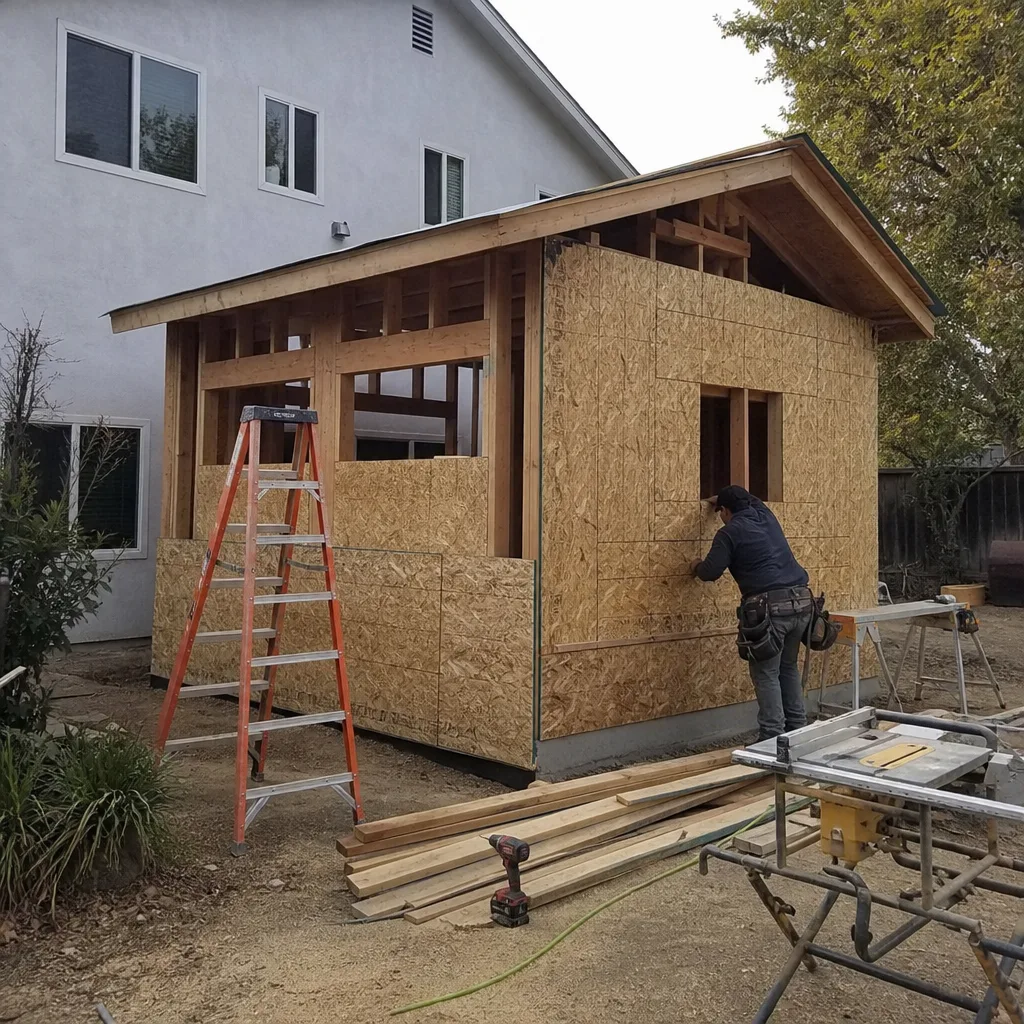
What we see most often in Ventura: the home was built before 1990, the electrical service is still 100-amp, and the Dvele unit needs a 200-amp panel plus a dedicated subpanel feed. That’s not a Dvele problem. It’s a site problem, and it’s fixable with the right sequence of permits and inspections. We’ve handled enough of these to know exactly which City of Ventura inspectors want what, and we pull permits ourselves so the homeowner never has to sit on hold with the Building & Safety counter.
Which Dvele Models This Applies To
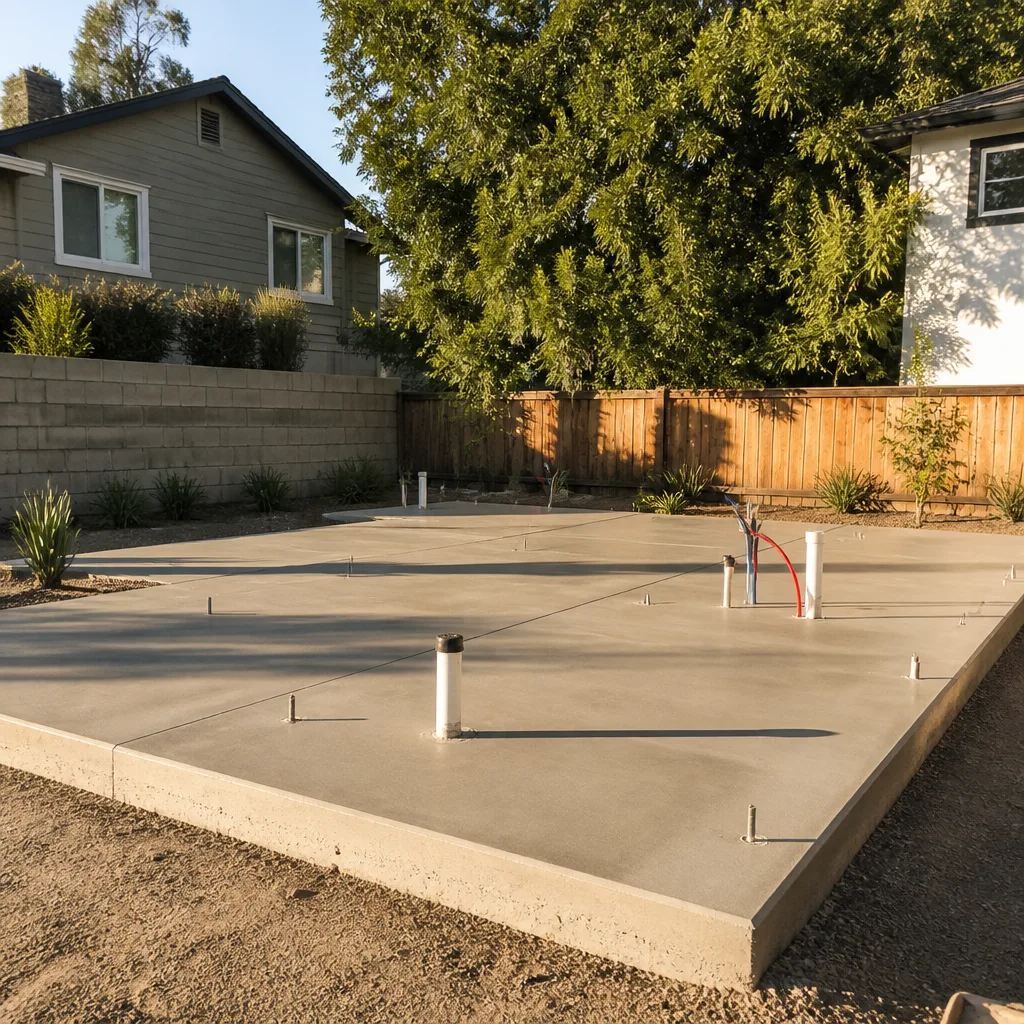
Dvele’s current product line includes the IQ, Vista, and Sierra series, along with the original Dvele Home platform that started shipping in 2018. The site prep requirements are largely the same across all series because every Dvele unit ships as a panelized shell that lands on a prepared subgrade and connects to the local utility grid the same way. What changes between models is the service panel ampacity requirement and the sewer lateral depth.
Here’s the compatibility gotcha most owners and even some contractors miss: Dvele units spec a minimum 200-amp electrical service regardless of square footage, and the factory requires a grounded disconnect within 25 feet of the module connection point. If your Ventura home still has a 100-amp panel, which is common in the midtown and eastside neighborhoods built in the 1950s and 60s, you’re looking at a panel upgrade before the Dvele tech will even schedule the module set. We handle that entire scope. We also work with Abodu and Cover units, and the utility logic is similar but not identical, so it matters which brand you actually ordered.
As an independent service provider, we’re not affiliated with Dvele, but we’ve prepared sites for their units enough times to know exactly how their install crews want the stub-ups located and the access path cleared.
Signs Your Dvele Site Prep & Utilities Are Failing
- Utility sign-off keeps getting rejected: If Ventura Water or PG&E has bounced your service connection request twice, it’s almost always a depth or distance issue with an old lateral that predates the Dvele spec. Older Ventura lots, especially in the Saticoy corridor, often have sewer laterals buried at 18 inches when current code wants 24-plus.
- Voltage sag when the heat pump kicks on: Dvele units are all-electric with heat-pump HVAC. If your existing panel can’t deliver consistent 240V under load, you’ll see flickering lights or hear the compressor strain. That’s a service sizing issue, not an appliance issue.
- Water pressure at the Dvele connection point is under 40 PSI: Ventura’s older galvanized supply lines lose diameter over time from hard water mineralization. The Dvele spec calls for stable 50 – 80 PSI at the utility stub. If your pressure is marginal now, it’ll be a problem when the unit’s tankless heater fires.
- Standing water or soft soil where the module lands: Ventura gets less than 15 inches of rain a year, but when it does rain, our clay-heavy soils hold water against foundation edges. If your pad site doesn’t shed water to daylight, you’ll get heaving and settling that cracks the Dvele threshold seal.
- The existing gas line snakes through where the trench needs to go: A lot of mid-century Ventura homes have gas lines running diagonally across the back yard, not parallel to the lot line. If the Dvele site plan marks a trench that crosses an unmarked gas line, you stop work, call 811, and get the line located and re-routed before anything else moves.
Replacement Cost & What’s Included
Here’s what Dvele site prep and utilities actually costs in Ventura right now, based on the scopes we’ve priced and completed over the past few years:
- Site survey and geotech review: $2,500 – $4,500. You need a current topo and a soils report that confirms bearing capacity for the Dvele footer spec. Skipping this step is false economy, and the City of Ventura won’t issue a grading permit without it anyway.
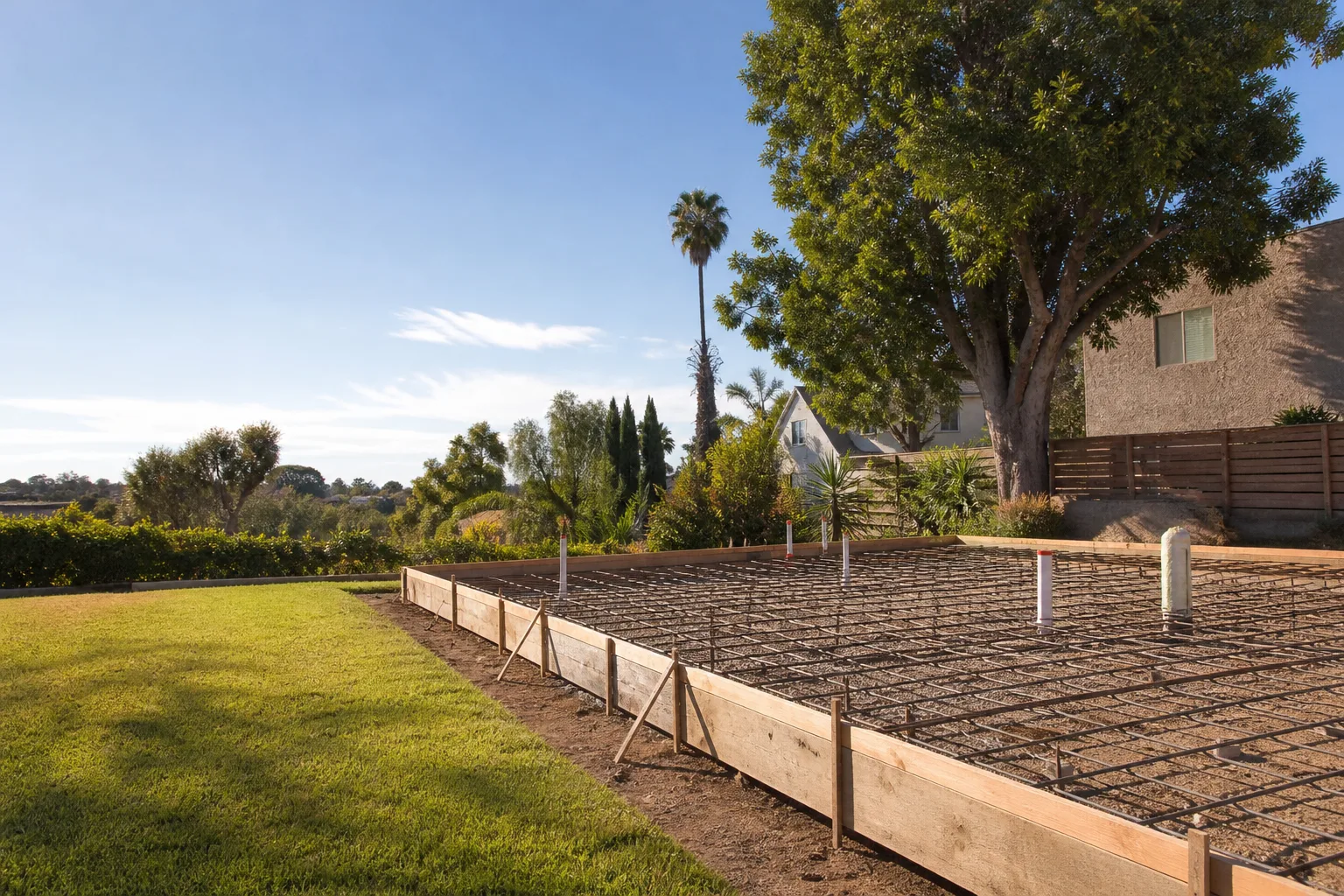
- Grading, excavation, and pad compaction: $6,000 – $14,000. Ventura lots slope more than owners realize, especially in the hills above Foothill Road or down near the river bottom where fill soil is common. The price swings on how much cut-and-fill you need and whether we’re hauling off spoils.
- Utility trenching and connection stubs: $4,000 – $9,000. Includes new electrical service lateral, water service from the meter to the stub-out, sewer lateral to the main, and conduit for low-voltage and data lines.
- Panel upgrade from 100-amp to 200-amp: $3,500 – $6,500 depending on whether the meter socket moves and how much re-wiring the existing structure needs.
Every line-item price is delivered in writing before we mobilize. No change orders unless you change the scope, and if something slips through, the fix is on us under the 365-Day Done Right Promise. That’s the written guarantee stamped on every Sutton ADU Ventura project, and we’ve never had to hide from it.
DIY or Call Us?
Site prep and utilities is not a DIY scope, and anyone who tells you otherwise is either reckless or doesn’t understand what a Dvele module needs. This is live electrical service, pressurized water lines, and sewer connections under a structure that will have people living in it. A mistake here isn’t a cosmetic problem. It’s a code violation, a possible electrocution or gas exposure risk, and a failed inspection that sets your project back months. The trenching alone, done wrong, can destabilize the grade and require a full re-compaction.
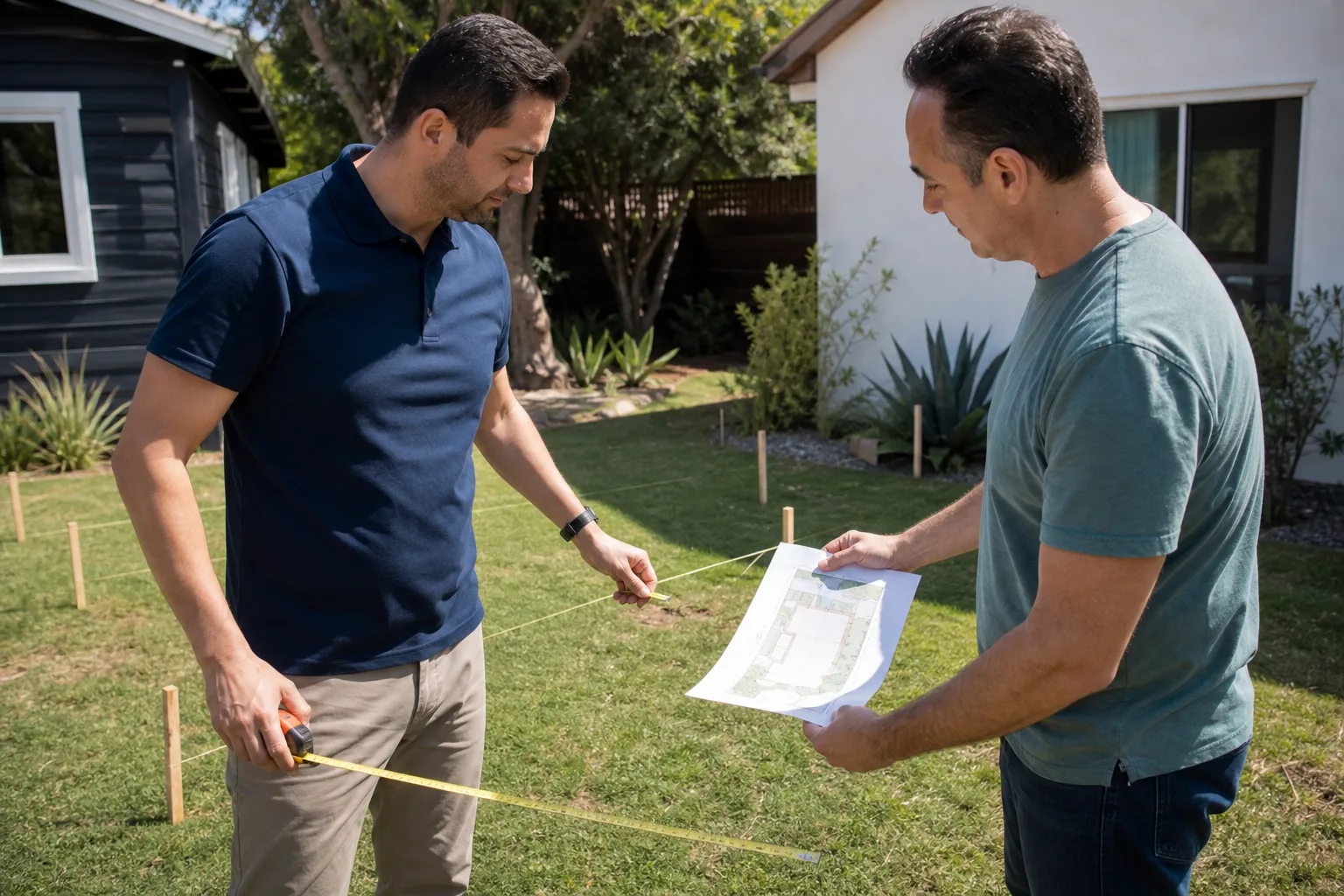
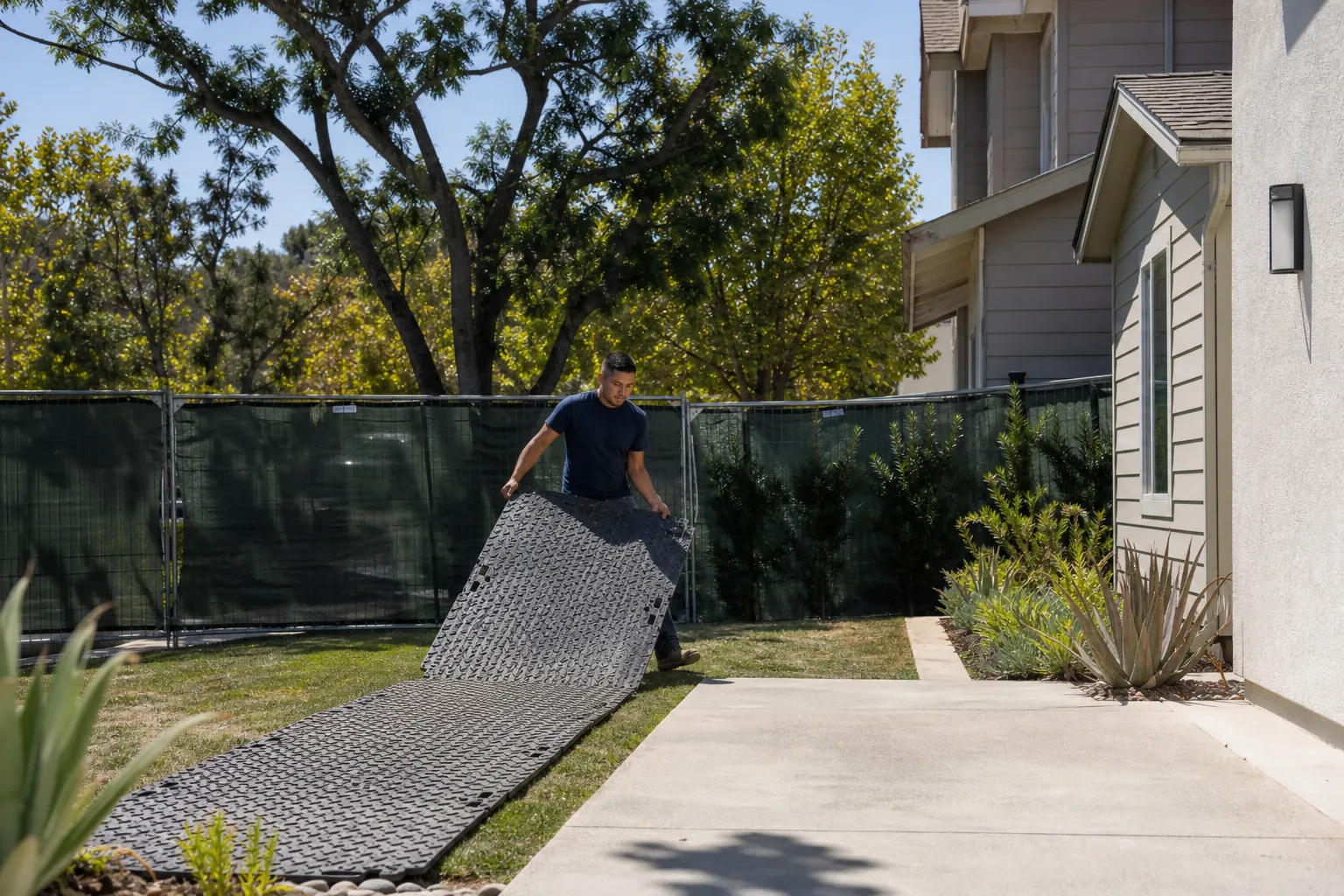
What you can do safely: walk the site with the Dvele plan set in hand, mark where utilities are supposed to land, and make sure nothing is blocking the module set path. Clear the access route. Verify your property lines. Then call us at (350) 238-1748 and we’ll handle the rest. Miles Hartwell reads every site honestly and tells you what it’ll cost before anyone signs anything. No surprises, no vague talk about “we’ll figure it out as we go.”
FAQs
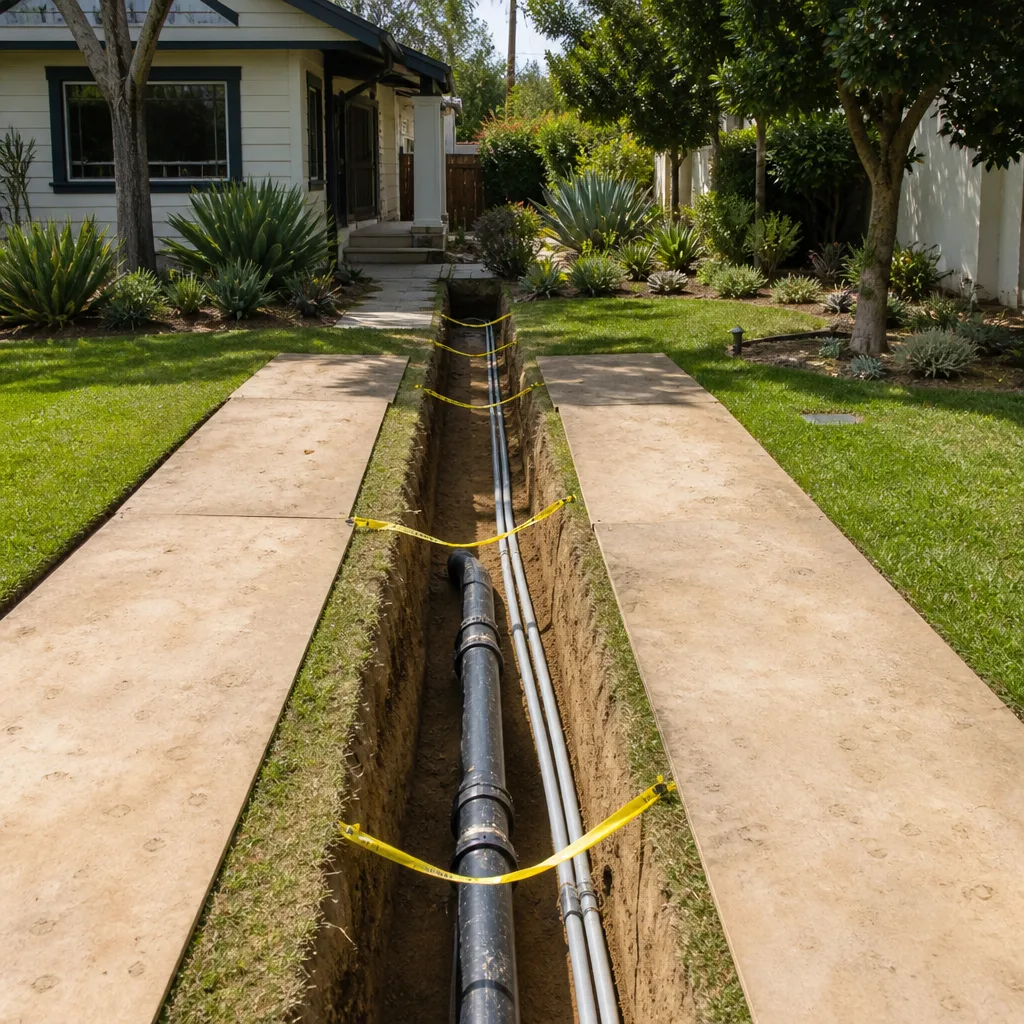
Most Ventura Dvele site prep scopes run three to five weeks from first dig to final utility sign-off. The variable is the City of Ventura permit queue, which currently runs about two to three weeks for a combo grading and utility permit, and PG&E service upgrade scheduling, which can add another two weeks if a transformer or meter move is involved. Call (350) 238-1748 after you have a site address and we’ll give you a realistic timeline for your specific lot.
Sometimes, and we’ll tell you honestly either way. If your sewer lateral was replaced in the last 15 years and the cleanout is accessible, we can often tie the Dvele stub into the existing line. But a 1970s-era galvanized water supply or a 100-amp panel that’s already at capacity won’t meet Dvele’s spec, and trying to make it work will fail inspection. We don’t sell work you don’t need, and we don’t pretend old infrastructure is fine when it isn’t.
We keep the common Dvele-spec connection hardware on the truck: the service-rated disconnects, the subpanel feed lugs, the water stub fittings matching Dvele’s inlet sizing, and the low-voltage conduit bends their install crews prefer. If a specialty fitting isn’t on hand, we source it from our local Ventura suppliers within a couple days, not a couple weeks. Tell me what you actually need, then we’ll figure out what fits.
A properly installed 200-amp service lateral, copper water service, and new sewer lateral in Ventura should last 40 to 60 years with no attention. The weak points in our climate are the water pressure regulator, which the hard water in Ventura tends to kill in about 10 to 15 years, and the ground rod connection, which corrodes faster within a mile of the beach due to salt air. We use stainless and brass components at the coastal addresses for exactly that reason. Call us for a free site assessment and we’ll let you know what your lot actually needs.
Written by Miles Hartwell, Owner, Sutton ADU Ventura at Sutton ADU Ventura, serving Ventura and nearby areas.