Abodu Site Prep & Utilities: The Ventura Owner’s Guide
Site prep and utility work for an Abodu unit in Ventura typically runs $18,000 – $45,000 depending on your lot’s slope, soil, and how far your panel sits from the unit’s planned location. We stock the trenching equipment, vaults, and connection hardware needed for most Abodu installs, and we can usually start site work within 10 – 14 days of permit approval. Most owners discover a problem here not through a dramatic failure, but through a permit review that flags undersized service, a sewer lateral that’s too shallow, or drainage that won’t pass Ventura’s stormwater requirements. In the Midtown area especially, we see older sewer laterals that need replacement before any prefab unit gets set.
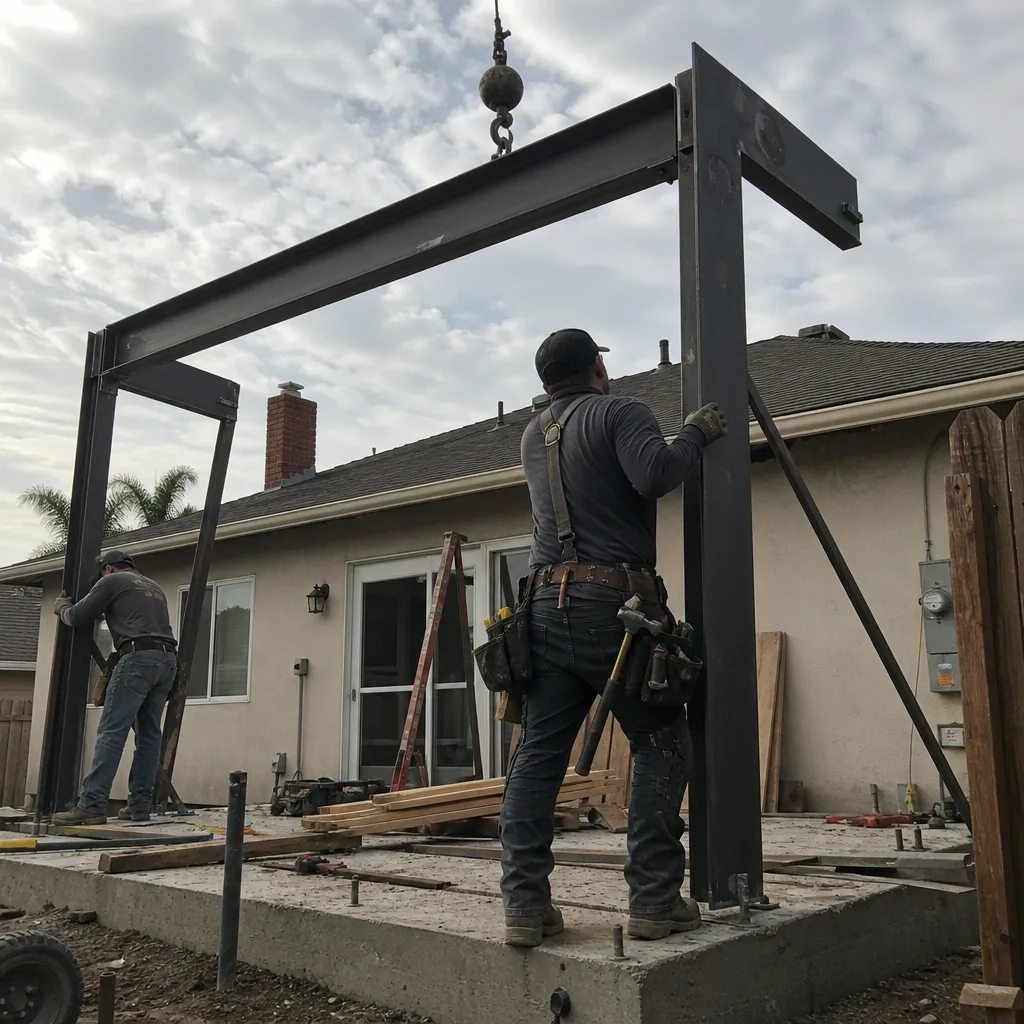
Sutton ADU Ventura is an independent contractor, not affiliated with Abodu. We work on their units because they’re well built and the site requirements are predictable, which lets us price the prep work honestly before the first shovel hits dirt.
Key Takeaways
- Installed site prep & utilities: $18,000 – $45,000 in Ventura, with trenching distance and panel capacity as the biggest cost drivers.
- Biggest gotcha: Abodu’s utility connection points assume a service panel within 75 feet of the unit; longer runs add real cost quickly.
- Timeline: Site work takes 3 – 7 days after permits clear, not counting utility company scheduling for the meter.
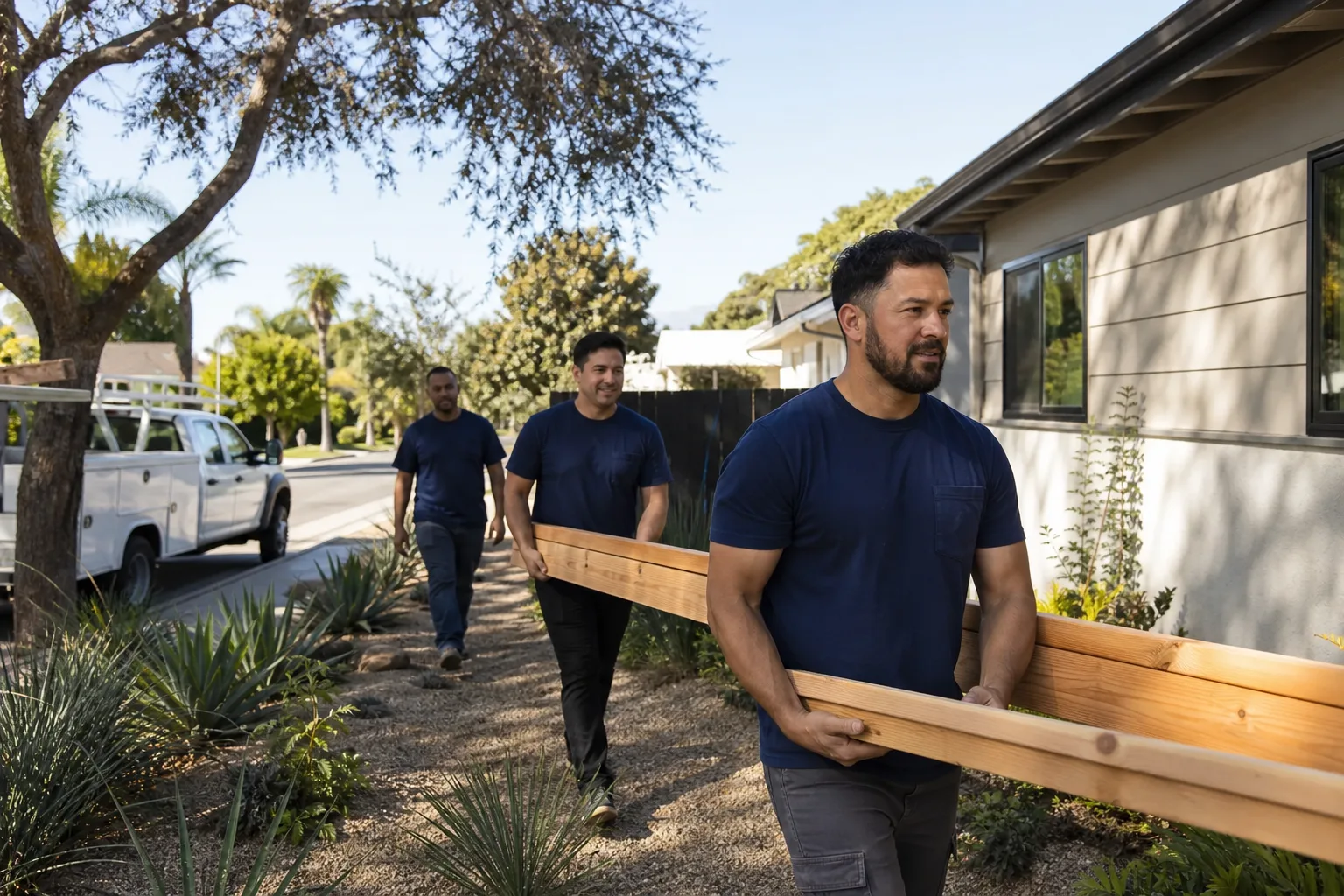
- Who handles what: We handle all trenching, panel upgrades, sewer/water/gas connections, and the pad or pier foundation the Abodu sits on.
Which Abodu Models This Applies To
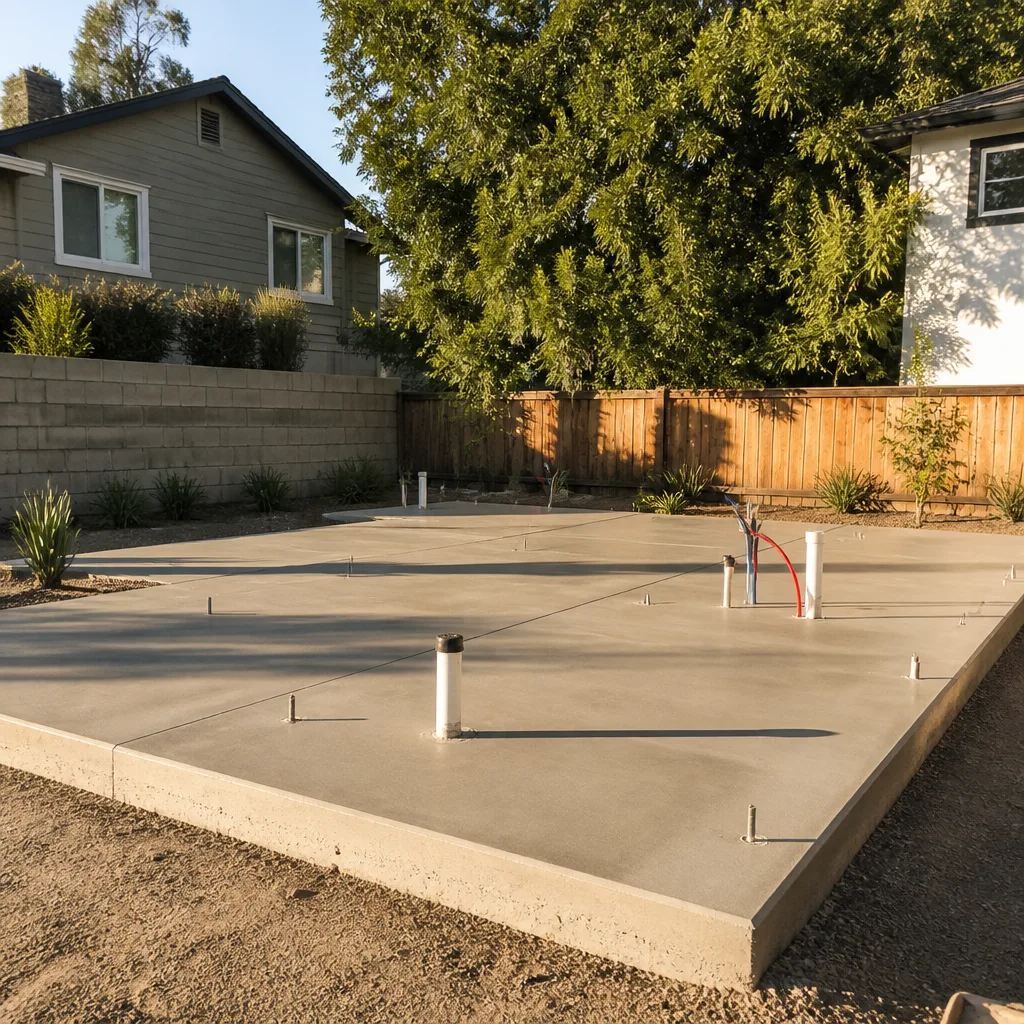
Abodu currently builds three base models: the Studio (348 sq ft), the One Bedroom (500 sq ft), and the Two Bedroom (610 sq ft). Site prep requirements are nearly identical across all three. The unit’s connection points for sewer, water, and electrical are all on the same exterior wall, and the height of those penetrations is consistent model to model. That standardization is actually a benefit: your site prep gets built to the same dimensional spec whether you’re placing a Studio in a backyard near Saticoy Avenue or a Two Bedroom on a larger Westside lot.
If you have an older Abodu unit, check the serial plate on the exterior wall near the electrical meter location. Units built before 2021 may have a smaller electrical service entrance rated for 100 amps, while current models typically want 125 – 150 amps of available capacity. That difference matters when we evaluate your existing panel. Many Ventura homes built in the 1960s and 1970s still have 100-amp panels, which means a panel upgrade lands on your site prep scope whether or not the Abodu itself needs it. OEM parts for the actual connection hardware (weatherheads, junction boxes, panel-mounted disconnects) are available through Abodu, but we frequently install aftermarket equivalents from Eaton and Square D that meet or exceed the spec. The one place we don’t substitute: the grounding and bonding scheme must match Abodu’s engineered drawings exactly, because that’s what your inspector verifies against the approved plans.
Signs Your Abodu Site Prep & Utilities Is Failing
Most site prep and utility issues show up long before the unit gets delivered, during the planning and trenching phase. But for existing installations, here’s what we see:
- Breaker trips when the unit runs heating or cooling. This usually means the feeder wire to the Abodu is undersized for the actual load, or a splice in the underground conduit has corroded. In coastal Ventura air, we see corrosion at connection points faster than inland.
- Water pressure drops when two fixtures run at once. The Abodu’s supply line may have been tapped off an undersized branch rather than run as a dedicated line from the meter. On lots with older galvanized mains, this is common.
- Sewer smells near the unit after heavy rain. Ventura clay soil expands when wet, and it can shift shallow laterals. If the sewer line was buried less than 18 inches deep, roots and ground movement create cracks that let odor escape.
- Sagging or settling on one corner of the unit. This points to a pier or pad foundation that wasn’t engineered for the soil’s expansion rate. The fill material under the pad may have been compacted too quickly, or piers weren’t sunk deep enough past the active clay layer.
- Water pooling around the base after storms. Ventura’s winter rains expose drainage mistakes immediately. If the site’s grade wasn’t pitched to carry water away from the unit, you’ll see pooling within the first season.
Replacement Cost & What’s Included
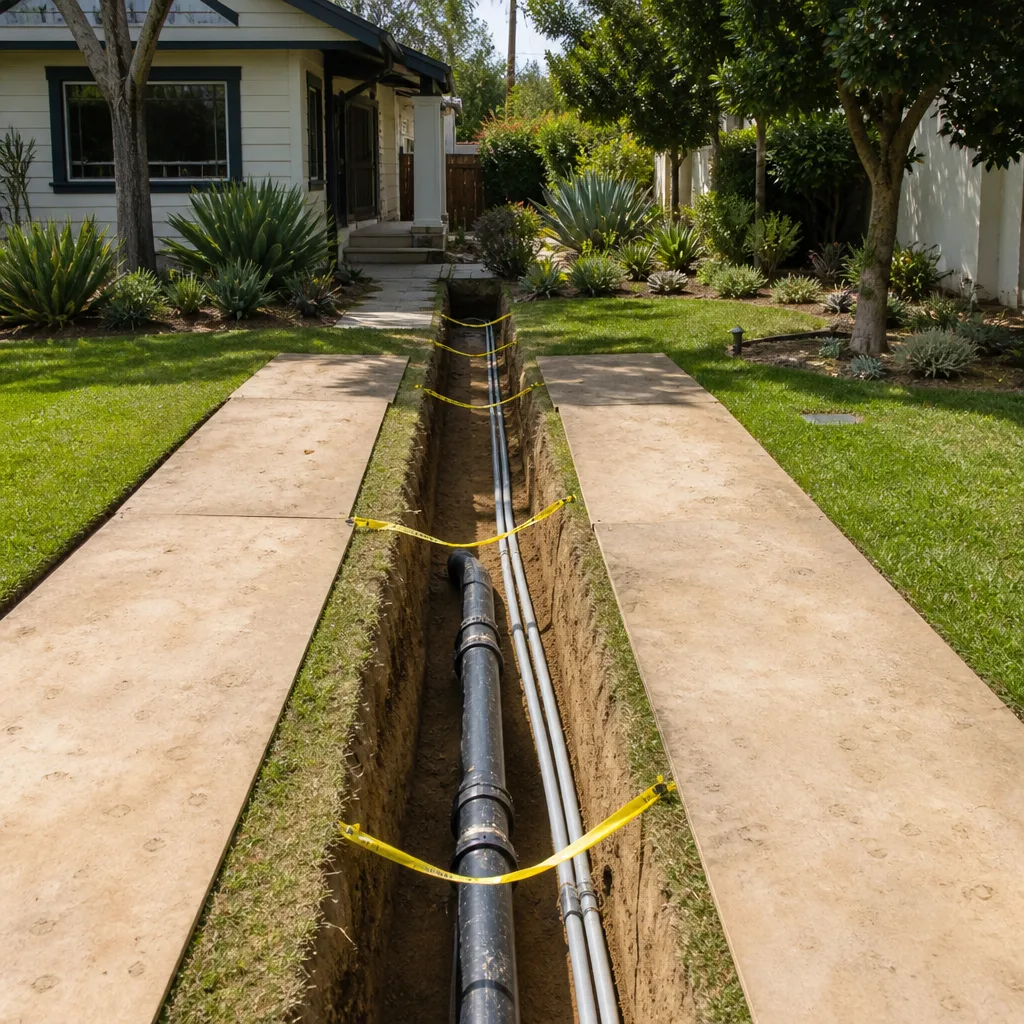
For a typical Abodu site prep scope in Ventura, expect the following installed ranges:
- Trenching and utility conduit runs (sewer, water, electrical): $3,500 – $9,000 depending on distance, depth, and whether we’re cutting through hardpan or hitting tree roots.
- Electrical panel upgrade (100A to 200A, or adding a subpanel): $4,000 – $8,500 including the new panel, breakers, and permitting.
- Sewer lateral replacement or new connection: $3,000 – $7,000 depending on depth and whether the city connection requires street cutting.
- Water line install and meter tie-in: $1,800 – $4,500 including backflow prevention if Ventura Water requires it.
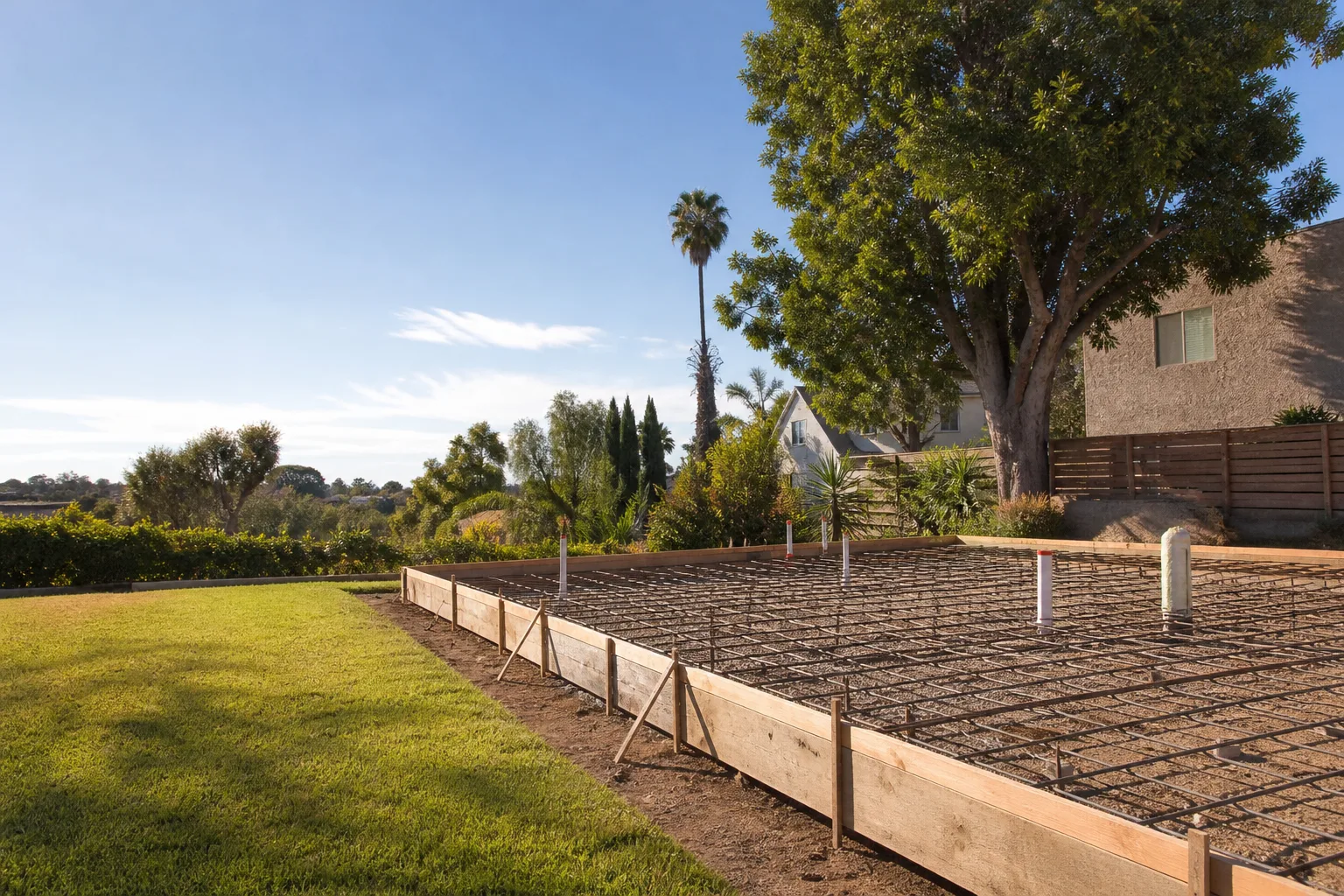
- Pad or pier foundation system: $6,000 – $16,000 depending on soil tests, slope, and whether you need helical piers or a standard reinforced pad.
Every line item gets written down before work starts. You’ll see the cost of the trenching crew, the parts, the permit fees, and the concrete or pier work separated out. The 365-Day Done Right Promise covers any defect in the site work for a full calendar year after completion, and if something fails, the second visit to make it right is free. No haggling.
DIY or Call Us?
Site prep and utility work is not a safe DIY project, and here’s the honest reason: you’re working with live electrical service connections, pressurized gas or water lines, and excavated trenches that can collapse in Ventura’s loose, sandy loam if they’re not shored up correctly. A trench deeper than four feet without proper bracing is a real hazard, and untreated gas line work can get someone hurt or killed. This is exactly the kind of work where “save a few thousand dollars” turns into an emergency room visit or a failed inspection. We don’t say that to scare you; we say it because we’ve dug up enough homeowner attempts to know how it ends.
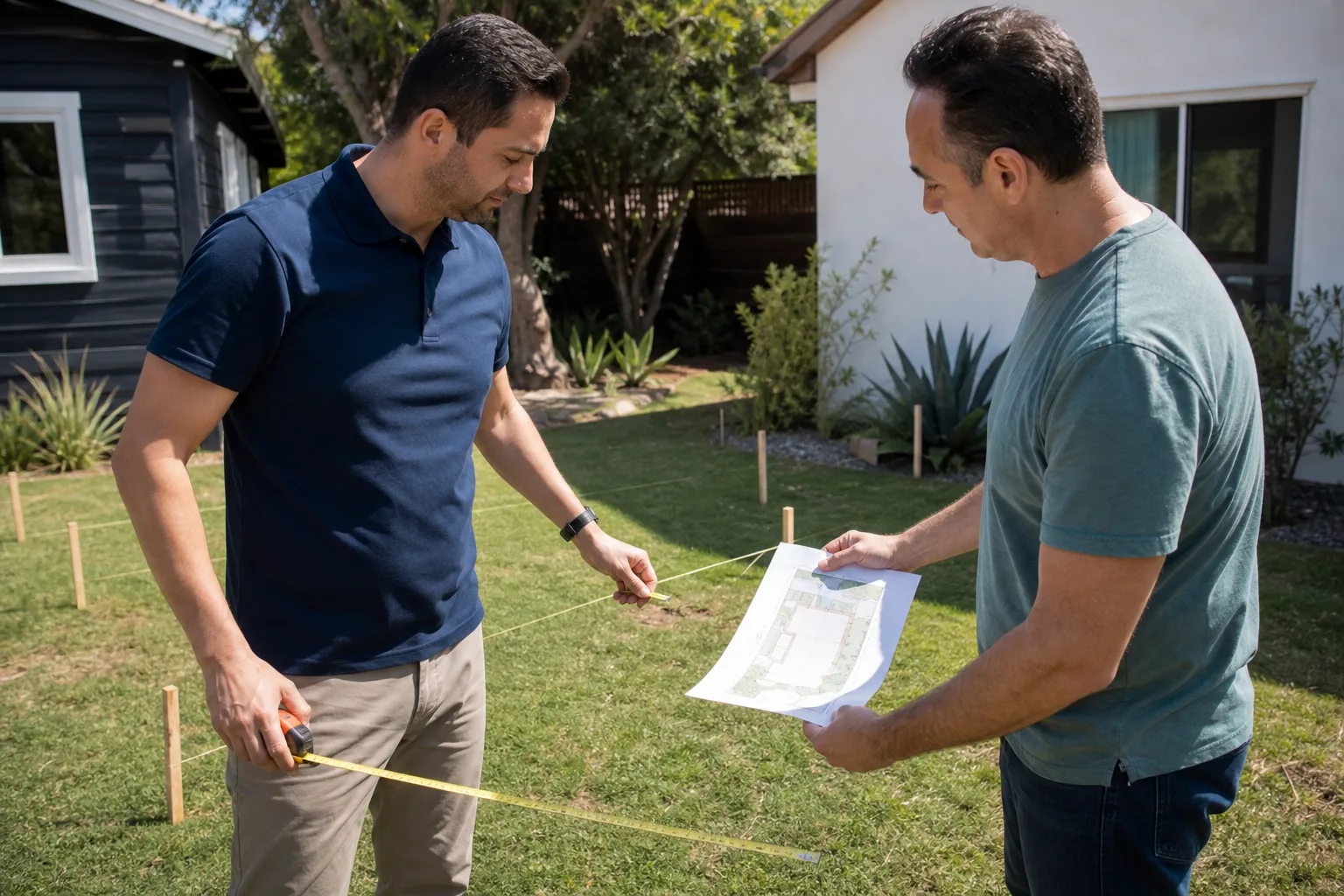
What you can do safely: walk your lot and note where the existing sewer cleanout sits, where the electrical panel is located, and where you think the unit will go. Measure the rough distance from the panel to that spot. That one measurement helps us give you a fast, accurate first pass on pricing over the phone. Call (350) 238-1748 and we’ll talk through what your lot actually needs.
FAQs
Properly installed site prep and utility runs last 30 – 50 years. The pad or pier foundation should outlast the unit itself. The weak points in Ventura are sewer laterals in clay soil and electrical connections exposed to coastal moisture; those may need attention in 15 – 20 years. Call (350) 238-1748 and we can look at what you have.
Yes, in many cases. A settling corner can be corrected with additional piers, a corroded electrical connection can be re-spliced, and a cracked sewer lateral can be lined or spot-repaired. The decision comes down to what’s failing and what your soil report shows.
Most Abodu site prep work in Ventura takes 3 – 7 days of active work. The full timeline from permit approval to unit-ready site can stretch to 3 – 4 weeks, because utility companies schedule their own meter inspections and connections on their own calendar.
We keep standard components on hand: PVC conduit, sweeps, junction boxes, grounding hardware, disconnect boxes, and the common Eaton and Square D panel components. Anything Abodu-specific gets ordered after we review your unit’s engineered drawings.
Written by Miles Hartwell, Owner, Sutton ADU Ventura at Sutton ADU Ventura, serving Ventura and nearby areas.