James Hardie New Detached ADU: The Ventura Owner’s Guide
If you’re planning a detached ADU in Ventura with James Hardie siding or panel systems, you’re likely looking at a full exterior package: HardiePlank lap siding, HardiePanel vertical siding, HardieTrim boards, and the proprietary flashing and joint treatment that ties it all together. A complete James Hardie exterior for a new detached ADU in Ventura typically runs $18,000 – $34,000 installed, depending on square footage and whether you’re using standard lap siding or the more expensive Artisan series. The part most owners don’t think about until it’s too late is the joint flashing system, because Hardie products move with Ventura’s coastal temperature swings, and a skipped flashing detail is the first place water finds its way in.
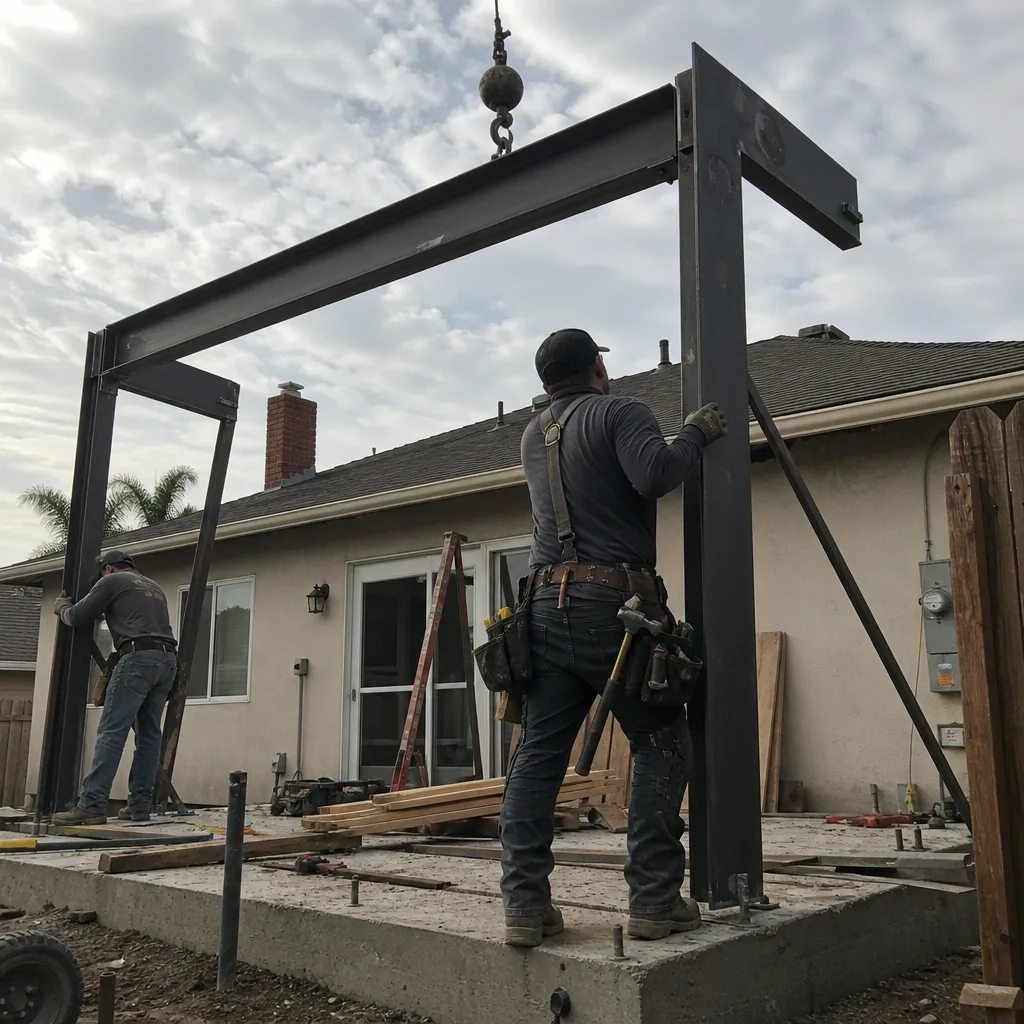
Most homeowners discover a problem the same way: they notice a hairline crack at a butt joint, or paint bubbling along the bottom edge of a panel, or trim that’s started to pull away from the corner. By the time it’s visible, moisture has usually been working on the sheathing behind it for a season. That’s the moment to get honest about replacement versus repair, and about what a James Hardie system actually needs to perform on a Ventura lot where marine air and afternoon sun both show up daily.
We’re an independent ADU builder and exterior contractor in Ventura. We’re not affiliated with James Hardie, but we’ve installed and repaired their systems on detached ADUs across the city for years, and we stock the common replacement parts on our trucks: HardieTrim boards, joint flashing, color-matched caulk, and the correct fasteners for Hardie’s published installation specs.
Key Takeaways:
- A full James Hardie exterior package for a detached ADU in Ventura runs $18,000 – $34,000 installed.
- The joint flashing and trim details fail first, not the siding itself.
- We stock HardieTrim, flashing, and fasteners on our trucks for same-visit replacement on most jobs.
- Every quote is a written price before work starts, backed by the 365-Day Done Right Promise.
Which James Hardie Models This Applies To
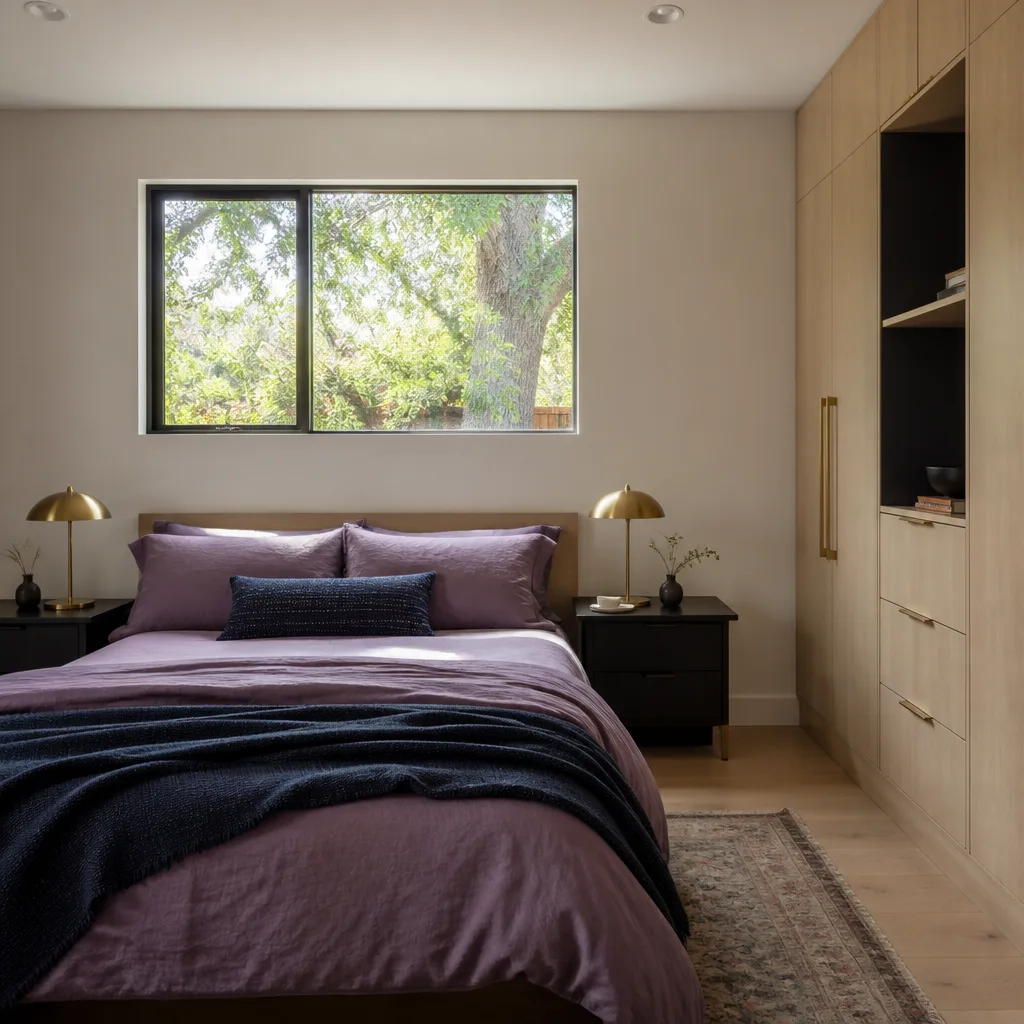
James Hardie’s product line splits into a few families, and the part you need depends on which one your ADU was built with. HardiePlank lap siding comes in widths from 4 inches up through 8.25 inches, with the 6.25-inch and 8.25-inch profiles being the most common on Ventura ADUs. HardiePanel vertical siding is typically 4×8 or 4×10 sheets, and it’s paired with HardieTrim boards in 3.5-inch and 5.5-inch widths for corners, window surrounds, and the transition between wall and soffit.
The Artisan series by James Hardie is a thicker, more dimensionally stable product with deeper shadow lines, and it uses its own trim profiles. If your ADU has Artisan siding, standard HardieTrim won’t match the reveal depth, and using it creates a visual mismatch that cheapens the whole build. That’s a compatibility gotcha we see on Ventura jobs where someone did a repair years ago with whatever was on the shelf at the local lumberyard.
For the joint flashing specifically: James Hardie requires a specific flashing material behind every butt joint, and in Ventura’s coastal climate, that flashing detail is what determines whether the wall system lasts 20 years or starts failing in five. Hardie’s published installation specs call out a minimum overlap and a requirement that flashing be installed before the siding goes up, which means a proper repair usually means removing at least one course of siding to access the detail. We recommend OEM Hardie flashing and accessories over aftermarket equivalents, because the fiber cement’s expansion rate in Ventura’s temperature swings is a known quantity that aftermarket products don’t always account for.
Signs Your James Hardie New Detached ADU Is Failing
- Cracks at butt joints. Fiber cement expands and contracts with temperature changes, and if the joint flashing wasn’t installed correctly behind the seam, the siding cracks at the point of least resistance. In Ventura, where a 40-degree swing between morning marine layer and afternoon sun is common from May through October, this shows up faster than inland.
- Paint bubbling or peeling along the bottom edge. This is almost always wicking moisture. Hardie products are moisture-resistant, but they’re not waterproof, and if the bottom edge sits too close to grade or the kickout flashing at the roofline is missing, water climbs into the material and pushes the paint off.
- Trim pulling away from corners. HardieTrim is fastened on a specific schedule, and when fasteners corrode or back out, the trim separates. Near the Ventura coast, salt air accelerates fastener corrosion, especially if someone used standard exterior screws instead of the stainless or hot-dipped galvanized fasteners Hardie specifies.
- Soft spots or swelling at window corners. The junction where Hardie siding meets a window opening is the most water-vulnerable point on any ADU exterior. If the head flashing above the window wasn’t lapped correctly, water runs behind the siding and saturates the sheathing.
- Visible rust staining below fastener heads. This tells you the wrong fasteners were used. Hardie requires specific corrosion-resistant fasteners, and when generic screws go in, they rust, stain the siding, and eventually fail entirely.
Replacement Cost & What’s Included
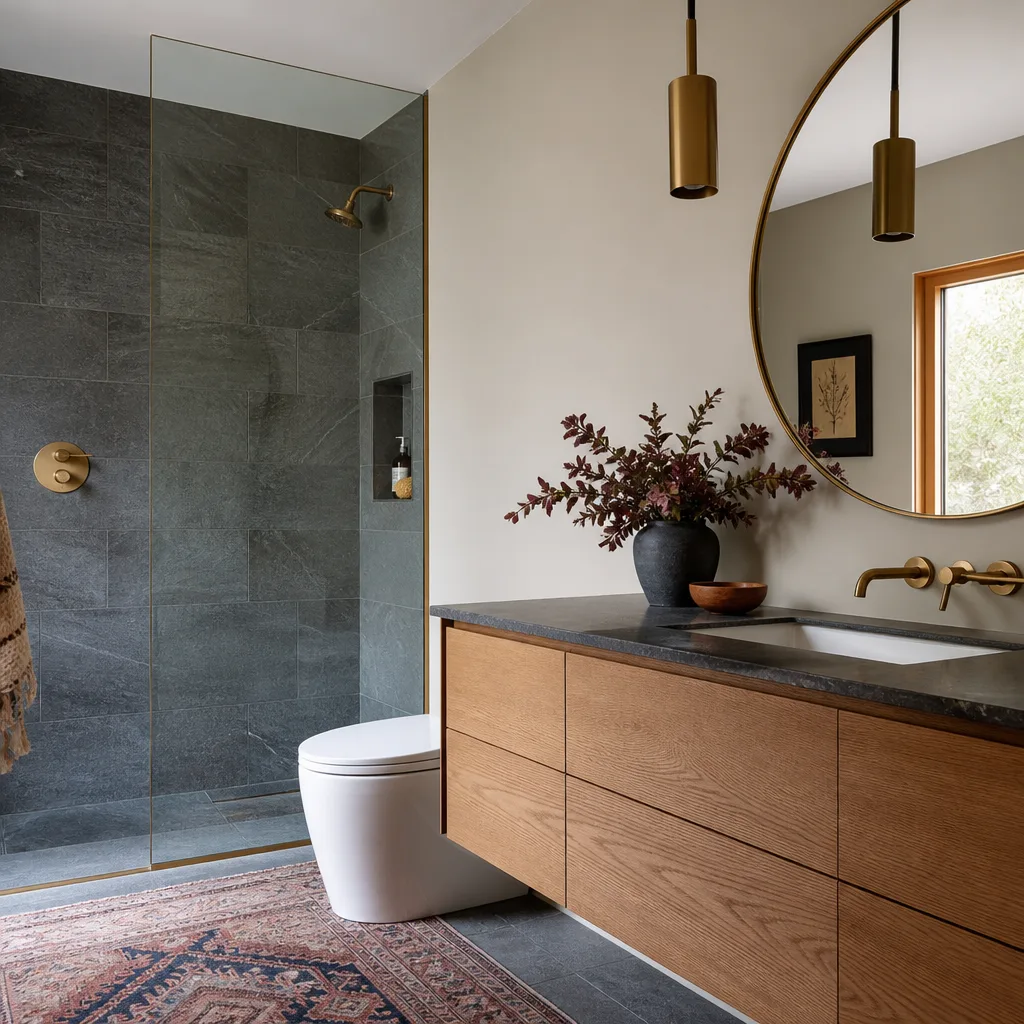
For a detached ADU in Ventura, here’s what we quote most often. Replacing a run of HardiePlank lap siding with new flashing and trim on one wall runs $2,800 – $5,500. A full exterior replacement on a 400 – 600 square foot ADU runs $18,000 – $34,000, which includes tear-off of the old siding where needed, new flashing at every joint and penetration, HardieTrim at corners and windows, and the correct fasteners throughout. If you’re doing a new detached ADU build from scratch, the James Hardie package is part of the larger construction budget, and we fold it into your written price for the whole project.
The range depends on three things: how much of the existing wall system can be salvaged, whether the underlying sheathing has water damage that needs repair, and which Hardie product line you’re matching. Artisan series runs higher than standard HardiePlank. Every quote we give in Ventura is a written price before work starts. No change orders slipped in later. If the work isn’t right within a year, the 365-Day Done Right Promise covers it, and we come back to make it right at no charge. That’s a written guarantee on every project, including the free second visit if an element fails.
DIY or Call Us?
You can check a few things yourself. Look at the bottom edge of the siding and see if it’s sitting within 6 inches of soil or paving, because Hardie needs clearance to shed water. Look at the butt joints and see if the flashing is visible or if the seams are tight. Look at the fasteners and see if they’re flush or if they’re mushroomed out, which means they’re overdriven and the siding is compromised at that point.
What you shouldn’t do is attempt a fiber cement repair yourself if the damage involves flashing, corners, or any area where water has clearly gotten behind the siding. Removing Hardie products requires care because the material is brittle, and a botched removal can crack adjacent boards and turn a $3,000 repair into a $15,000 re-side. There’s also the ladder work on an ADU exterior, which is not the place to learn about gravity. We send a written quote before any work starts, and every technician who arrives is background-checked, identity-verified, and photo-badged under the Threshold Standard. Call (350) 238-1748 and tell us what you’re seeing. We’ll tell you what it actually needs.
FAQs
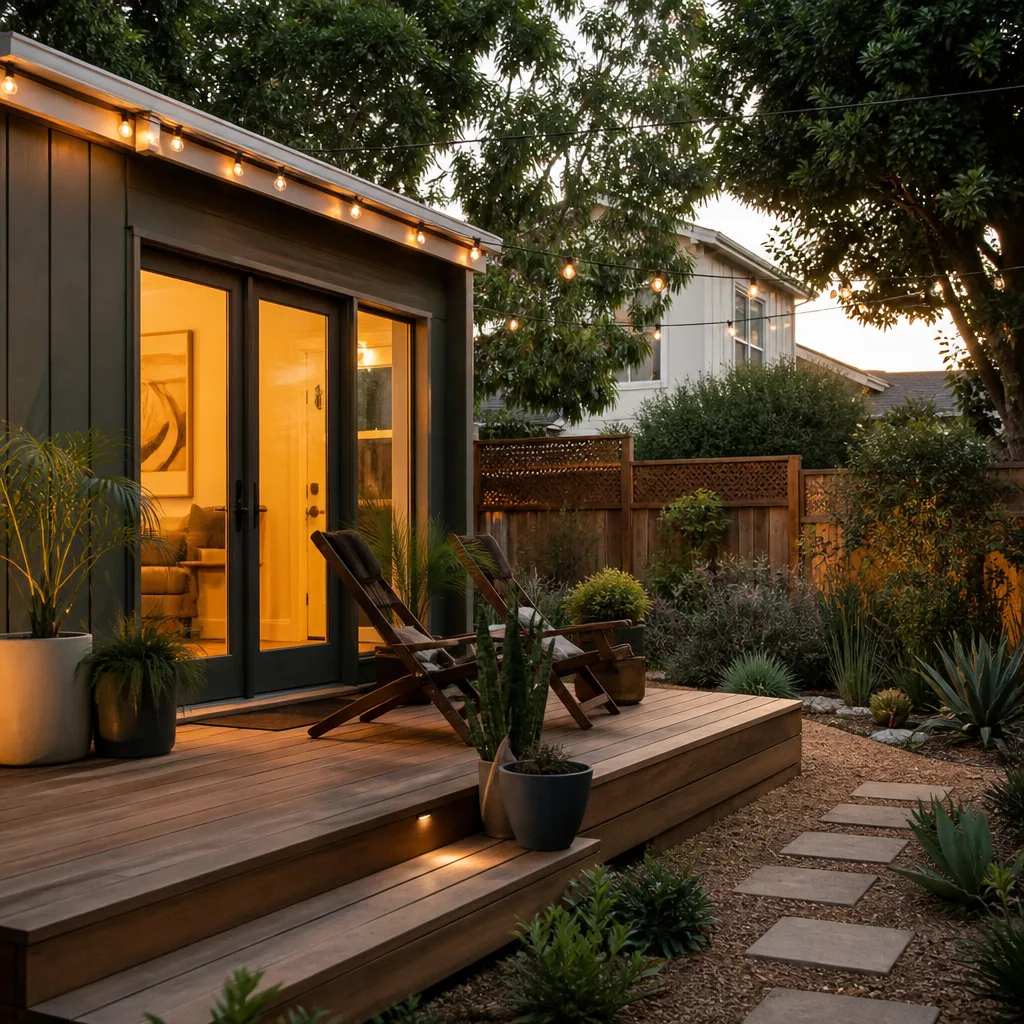
James Hardie fiber cement siding lasts 30 to 50 years in Ventura’s coastal climate when installed to spec, but the joint flashing and trim often need attention at the 10 to 15 year mark because marine air and temperature swings stress those details harder than the siding itself. The siding rarely fails; the water management details around it do. Call (350) 238-1748 and we’ll assess what you’ve got before anything gets worse.
Yes, isolated cracking or trim separation can usually be repaired by replacing the affected pieces and installing proper flashing behind them, which runs $800 – $2,500 per section in Ventura depending on access and how many courses must come off. If the damage wraps a corner or involves multiple butt joints, replacement of that wall section is the more honest fix. Either way, you’ll get a written price first.
Most single-wall repairs on a Ventura ADU take one to two days, and a full exterior replacement on a 400 – 600 square foot ADU takes four to seven working days depending on weather and what’s hidden behind the old siding. We’ll tell you the schedule before you commit, and the written price includes the timeline so there’s no surprise at the end.
We stock HardieTrim boards in the common widths, joint flashing, color-matched caulk, and the correct corrosion-resistant fasteners on our trucks, so most repairs in Ventura start the same day we look at the job. For Artisan series or unusual colors, we order OEM parts from our local supplier, which typically adds two to three days. Call (350) 238-1748 and tell us what you have, and we’ll tell you what we can do today.
Written by Miles Hartwell, Owner, Sutton ADU Ventura at Sutton ADU Ventura, serving Ventura and nearby areas.