James Hardie Garage Conversion ADU: The Ventura Owner’s Guide
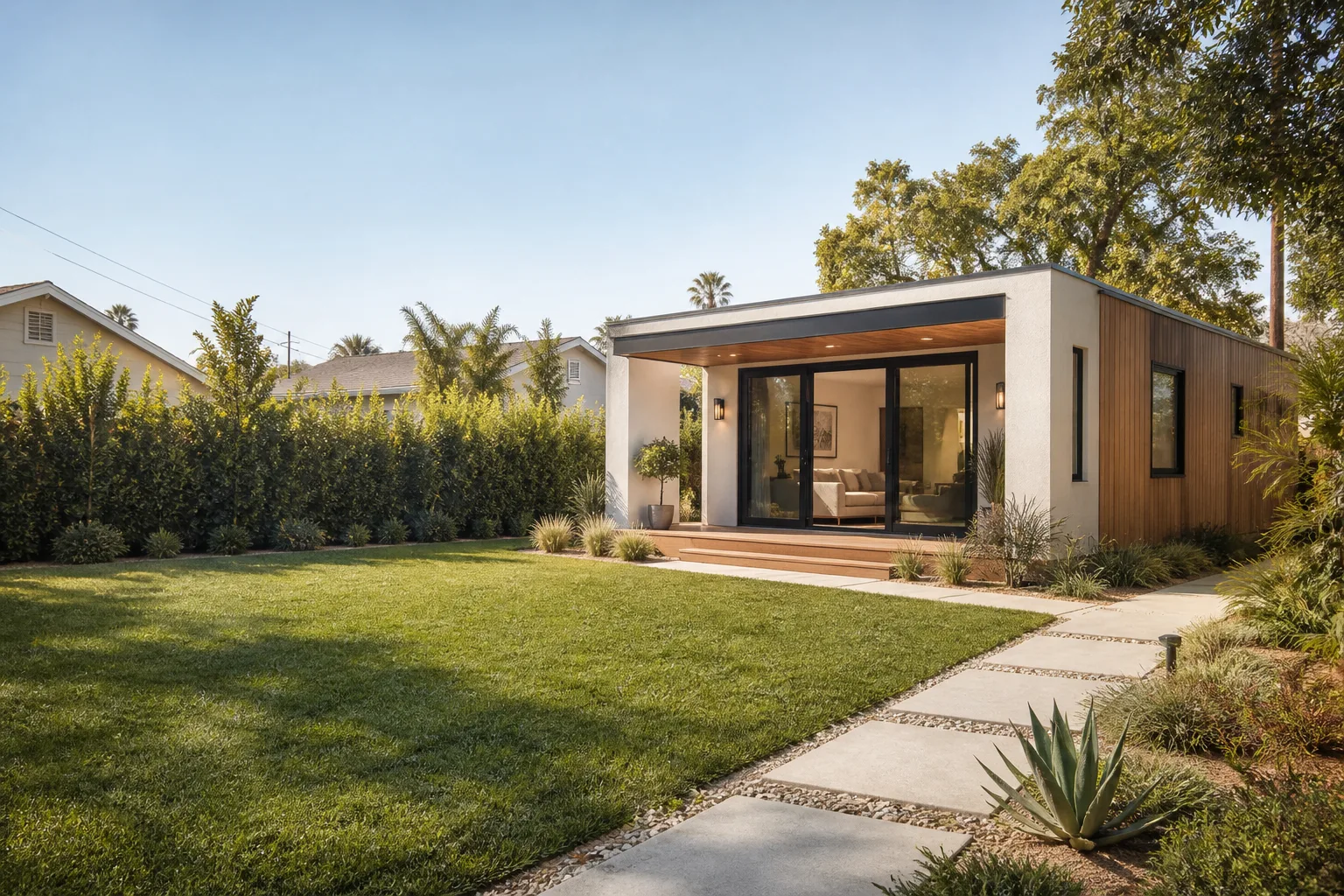
If you’re converting a garage into an ADU in Ventura and the exterior cladding is James Hardie, the part that usually needs replacing is the siding itself or the trim, flashing, and weather barrier behind it. We stock James Hardie-compatible siding, trim, and flashing for garage conversion ADUs, and a typical replacement or repair in Ventura runs $1,800 to $6,400 installed depending on square footage and what’s failed underneath. Most owners discover the problem the same way: a soft spot near the base of the wall, water staining inside the garage, or siding that’s cracked and pulling away from the framing after a few wet winters.
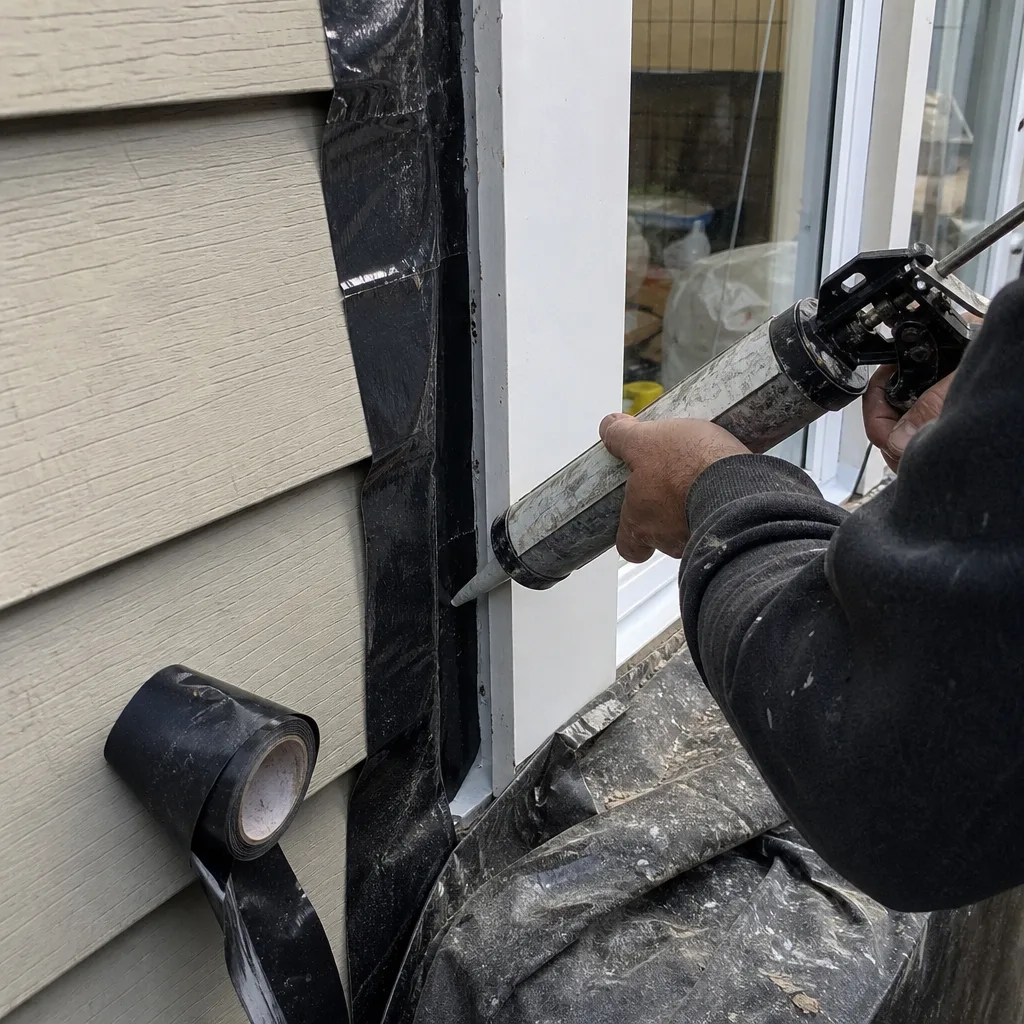
James Hardie siding is fiber cement, which handles Ventura’s coastal air better than wood or vinyl, but it’s not indestructible. What fails first is almost never the siding itself. It’s the flashing, the caulk joints, or the weather barrier behind it. When water gets in, the cladding starts to buckle or rot the framing behind it, and that’s when a simple panel swap becomes a real project. Miles Hartwell has seen enough of these failures in Ventura to know that the visible crack is usually the last symptom, not the first.
Which James Hardie Models This Applies To
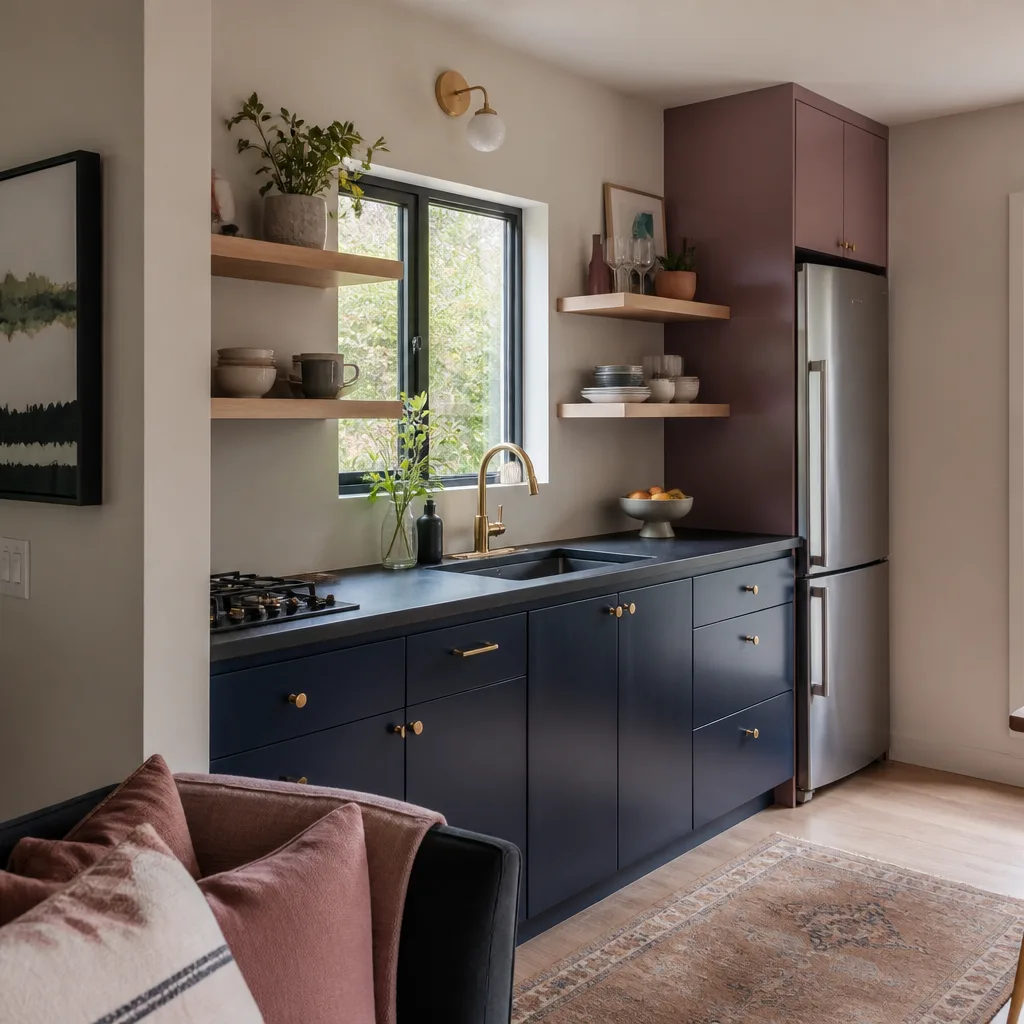
James Hardie makes a few siding lines that show up on garage conversion ADUs in Ventura: HardiePlank lap siding, HardiePanel vertical siding, HardieTrim boards, and HardieBacker board used as a substrate in wet areas. The compatibility question matters because HardiePlank and HardiePanel use different fastening patterns and reveal depths, and you can’t swap one for the other without reworking the wall assembly. HardiePlank lap siding comes in 4-inch, 5-inch, 6-inch, and 7-inch exposures, and the gauge is 5/16 inch thick, while HardiePanel is a larger sheet product at 4×8 or 4×10 feet. If you’re matching existing siding, pull a loose piece and check the stamped code on the back, which lists the product name and the plant where it was made.
OEM James Hardie products are what we install in most cases because the warranty and fire rating matter to Ventura homeowners, especially in hillside zones where defensible space and ember resistance are part of the building code conversation. That said, there are quality aftermarket fiber cement brands that can work if you’re patching a small area and the original line is discontinued. The real compatibility gotcha in Ventura is this: James Hardie siding installed within six feet of grade or near sprinkler spray needs a minimum 6-inch clearance and proper kickout flashing at roof-to-wall junctions. Most garage conversion failures we see involve that flashing missing or installed wrong, not the siding failing on its own.
Signs Your James Hardie Garage Conversion ADU Is Failing
- Wavy or buckling siding near the bottom edge. This almost always means water is wicking up from grade or splashing back from hardscape. The siding swells, the fasteners loosen, and the panel starts to bow away from the studs.
- Dark staining or efflorescence on the painted surface. James Hardie siding is cement-based, so when water moves through it, salts get pulled to the surface and leave a chalky white or dark mineral stain. That’s a sign the paint film has failed and moisture is traveling through the board.
- Cracked or missing caulk at trim joints and window corners. The caulk acts as a drainage path, and in Ventura’s salt air, standard acrylic caulk breaks down in about three to five years. Once it cracks, water gets behind the siding at the most vulnerable points.
- Rust streaks below the siding nails or screws. James Hardie specifies corrosion-resistant fasteners. If you see rust, someone used the wrong nail, and the fastener is now failing inside the wall cavity, which means the siding is only partially attached.
- Soft drywall or peeling paint inside the garage near the walls. By the time the interior side shows damage, water has been moving through the wall assembly for months. The exterior cladding is usually the source, and the fix is a removal and reflash, not a patch.
Replacement Cost & What’s Included
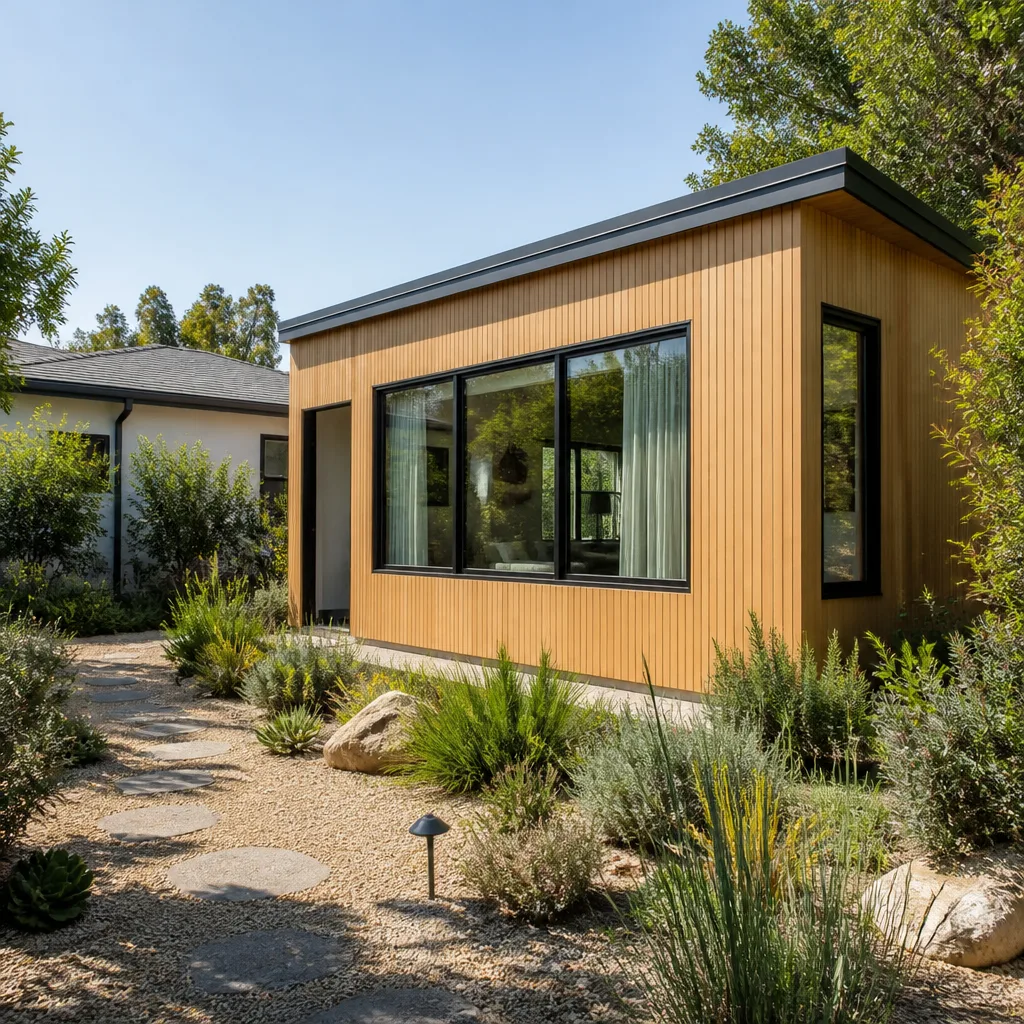
In Ventura, a focused siding repair on a garage conversion ADU runs $1,800 to $4,200. That covers removing the damaged James Hardie panels, inspecting the weather barrier, replacing flashing where needed, installing new fiber cement boards to match, painting, and clean-up. A full re-cladding of a one-car garage conversion runs $4,600 to $6,400 depending on height, access, and whether the underlying framing needs repair. The wildcard is what we find once the siding comes off: if termites or dry rot are in the framing, the price steps up because code requires replacing that material before it’s covered again.
Every quote we give in Ventura is a written line-item price before work starts. You’ll know the cost of materials, labor hours, flashing, paint, and disposal. There are no change orders because we explain the numbers up front. The 365-Day Done Right Promise covers defects in workmanship for one full calendar year from project completion, and if any element fails, the second visit is free.
DIY or Call Us?
You can handle the diagnostic side yourself: walk the perimeter, push lightly on suspect siding, and check the caulk lines around windows and trim. If the siding is still firmly attached and the damage is cosmetic, a repaint might buy you another season. But once the fasteners are failing, the flashing is missing, or the board has begun to separate from the wall, this is not a weekend patch job. Fiber cement kicks up silica dust when cut, and working above head height on a garage wall with power tools is a different risk profile than most homeowners want to take on.
The honest split is this: you can identify the problem, but the repair involves matching a system, not just a board. If you’re not sure what you’re looking at, call (350) 238-1748 and describe what you see. We’ll tell you if it’s worth a service visit or if you can wait.
FAQs
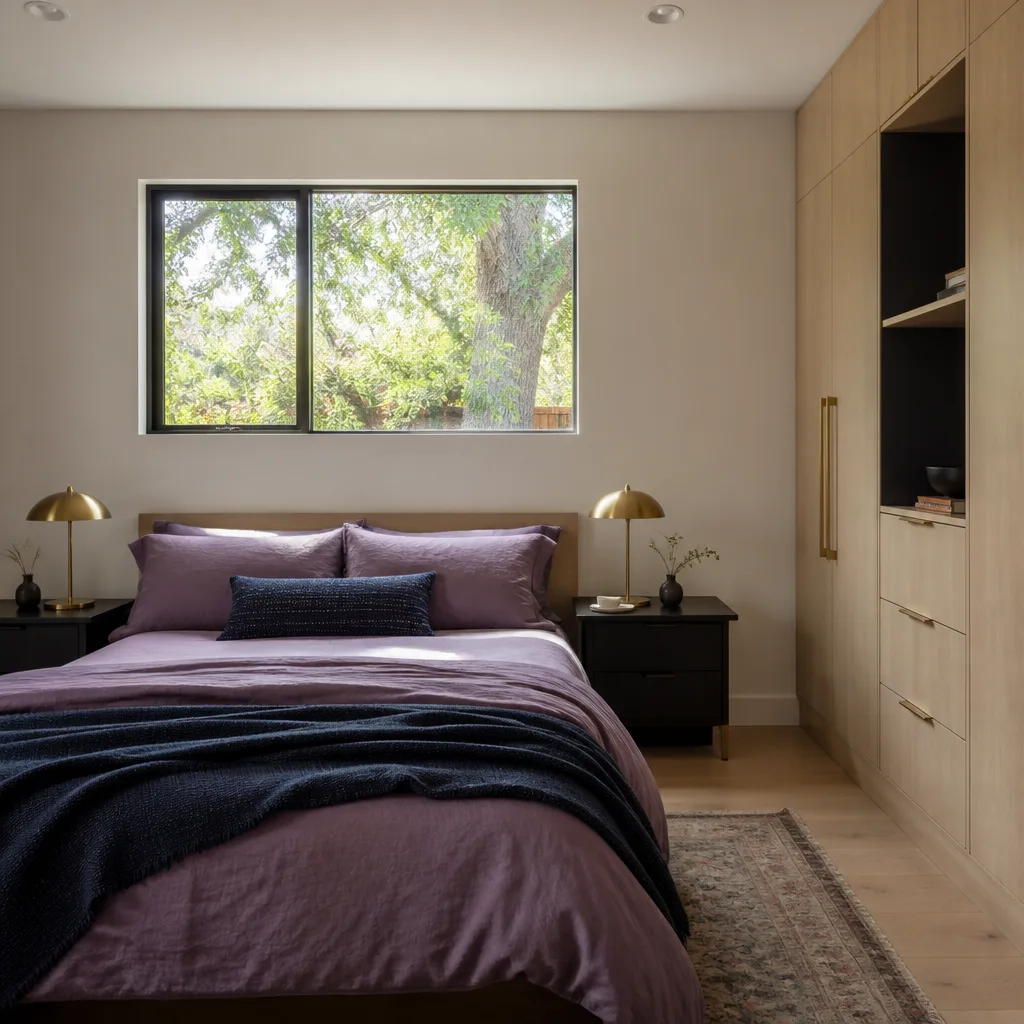
When properly installed with the right flashing and clearance from grade, James Hardie siding lasts 30 to 50 years in Ventura’s coastal climate. The failure point is almost always the installation details, not the fiber cement itself.
If the damage is limited to one or two boards and the weather barrier behind them is intact, a patch repair with a matched panel is possible, and that’s the lowest-cost fix. If multiple boards are loose or water has reached the framing, removal and reinstallation is the only responsible repair. Call (350) 238-1748 and we’ll give you the straight answer for your situation.
Most focused repairs in Ventura are done in one to two days, including paint matching and clean-up. A full re-cladding can take three to five days depending on the wall height and what we find when the old siding comes off.
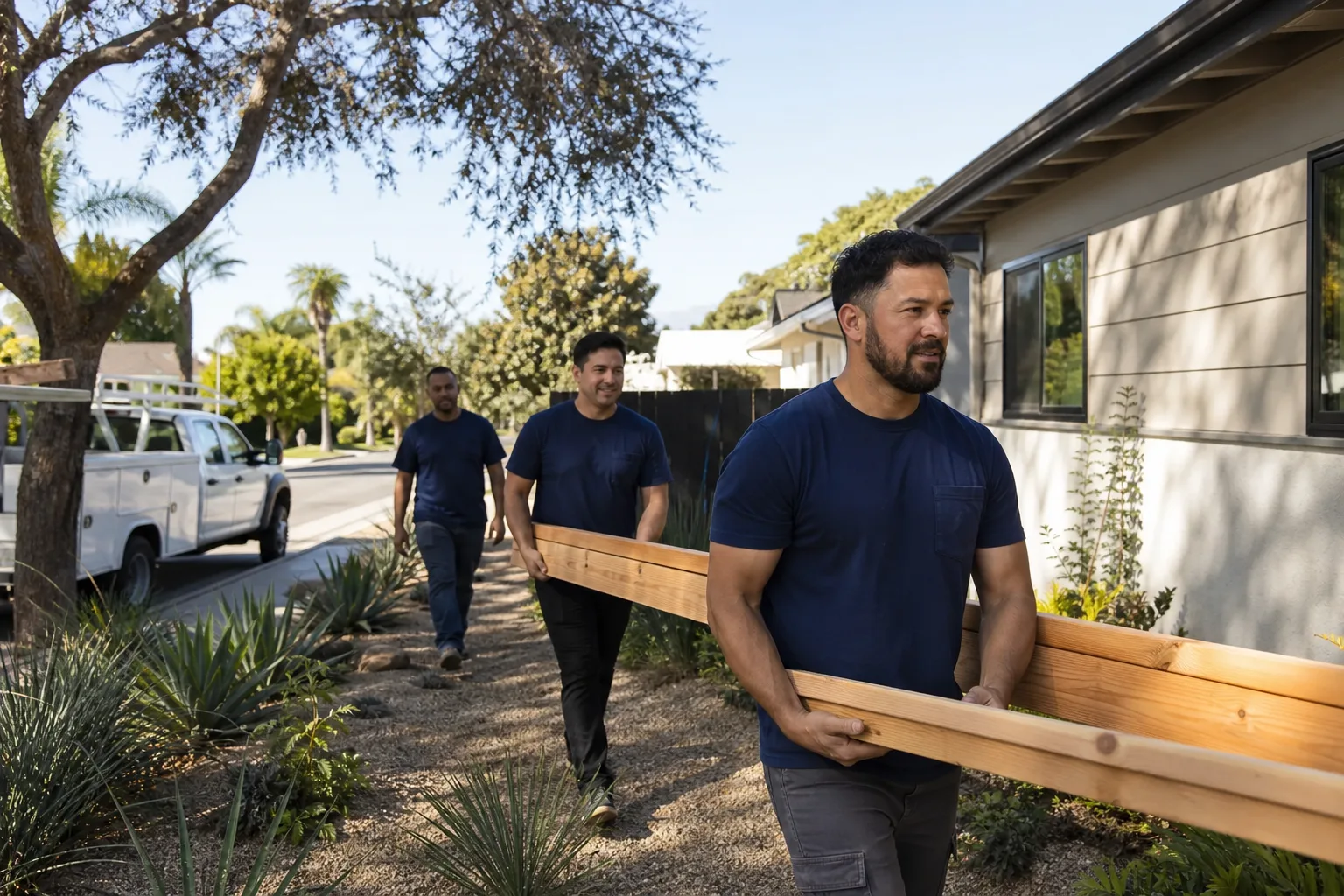
We keep HardiePlank lap siding in the most common exposures, HardieTrim boards, and flashing stock on the truck so we can handle most Ventura repairs in one visit. If your project needs a special-order color or texture, we’ll tell you the lead time in the written quote.
Call Sutton ADU Ventura for a Free Estimate
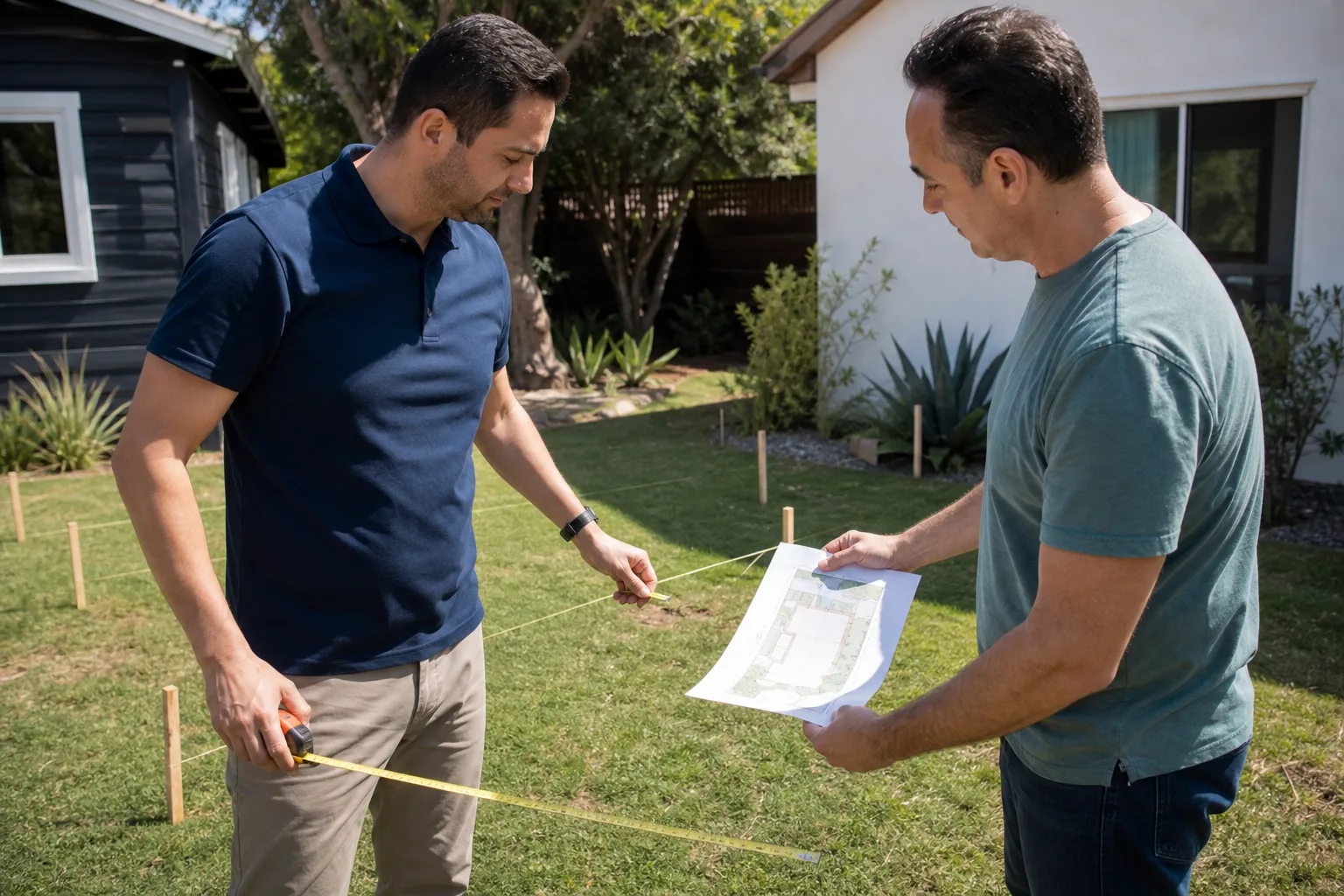
If you have a James Hardie siding problem on your garage conversion ADU in Ventura, call (350) 238-1748. We’ll schedule a time to look at the wall, give you a written price before any work starts, and tell you exactly who’s coming to your door, with a name and a photo before the visit. The estimate is free, and the answer is always straight.
Written by Miles Hartwell, Owner, Sutton ADU Ventura at Sutton ADU Ventura, serving Ventura and nearby areas.