Boxabl Junior ADU Conversion: The Ventura Owner’s Guide
If you own a Boxabl and need junior ADU conversion work in Ventura, you’re likely looking at a real installed price between $140,000 and $210,000, depending on what your existing structure needs and what Ventura County wants to see on the permit set. We stock the common conversion components and can usually schedule an assessment within a few days of your call. Most owners find out something is off when the space stops holding temperature the way it did six months ago, or when water shows up where water shouldn’t be.
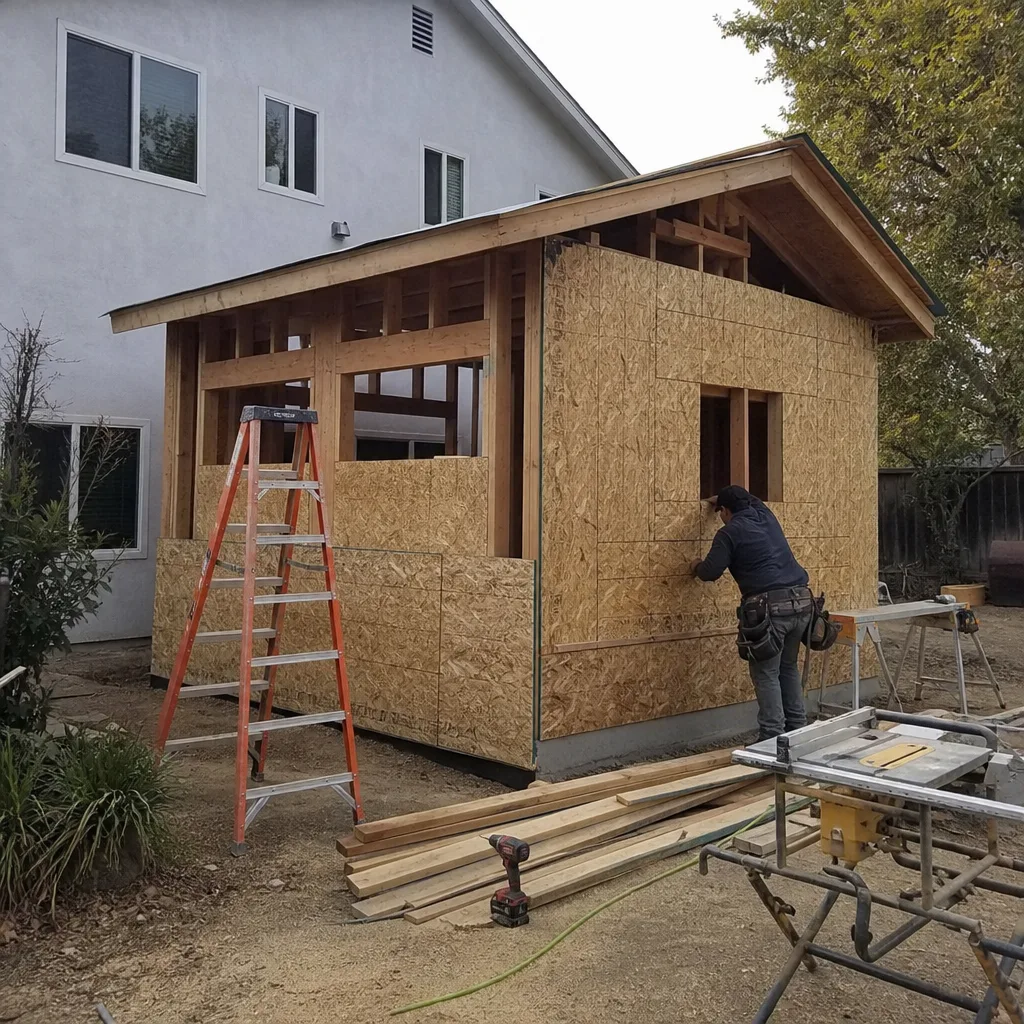
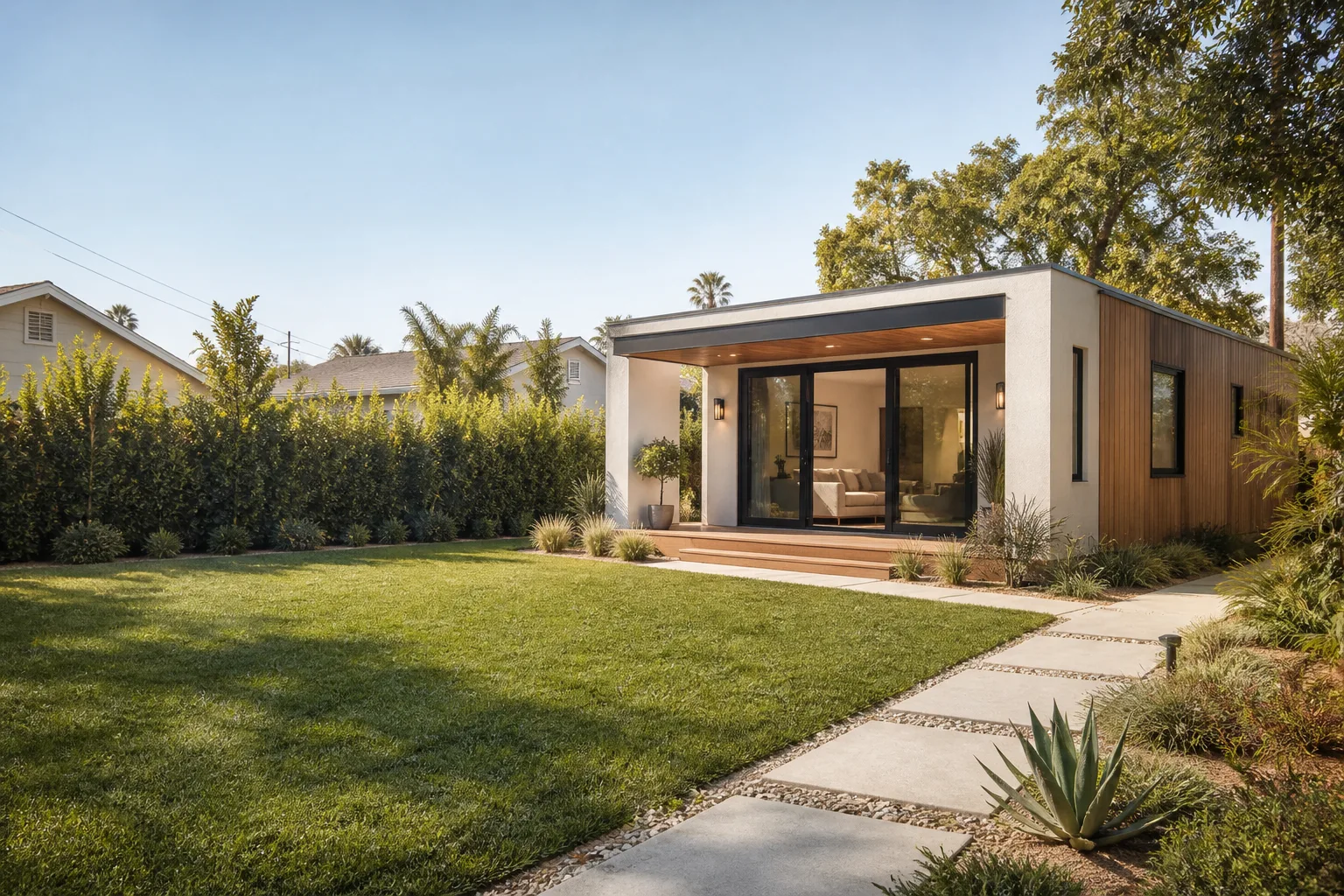
The junior ADU (sometimes called a JADU) is the smaller cousin in California’s accessory dwelling unit family: up to 500 square feet, often carved out of an existing structure or added as a compact detached unit. With a Boxabl, the conversion conversation usually centers on how to make a factory-built structure meet Ventura’s specific JADU requirements: a separate entrance, an efficiency kitchen, and compliance with the city’s owner-occupancy rules. The parts that fail first are rarely the structure itself. They’re the connection points: the utility tie-ins, the weatherproofing at the seams, the HVAC mini-split that works harder than it should because the insulation envelope wasn’t sealed right during the original install.
Here’s the straight answer: this is not a job where you can just swap a part and call it done. A Boxabl junior ADU conversion in Ventura means coordinating a factory-built product with local building code, and that’s where we spend most of our time. The good news is that most conversion problems are fixable without replacing the entire unit.
Which Boxabl Models This Applies To
Boxabl’s product line is simpler than most people expect, and that’s actually helpful when you’re trying to figure out what you have. The original Casita model is the one we see most often in Ventura backyards. It ships as a 20-foot by 20-foot module that unfolds to roughly 375 square feet of interior space. The second-generation Casita, sometimes called the Gen 2, tightened up some tolerances and changed a few connection details at the roof line and floor joint. If you’re looking at a conversion, you need to know which one you’re standing in.
The fastest way to identify your Boxabl version is to look at the factory label on the lower corner of the exterior wall near the main entry door. It’ll have a serial number that starts with either “BX-1” (original Casita) or “BX-2” (Gen 2). That label also lists the date of manufacture and the factory’s designated climate zone rating. Why does that matter? Because if your unit was built for a cooler climate and it’s been sitting in Ventura sun for four years, the roof membrane and the sealant joints have aged faster than the factory expected. When we spec a junior ADU conversion, we’re matching those materials to Ventura’s actual conditions, not the factory’s assumption.
We also work with the Boxabl-compatible aftermarket parts that have come onto the market in the last few years. There’s a difference between OEM Boxabl components and the third-party options: OEM parts are built to the original engineering drawings, but availability can be slow and prices are fixed. Good aftermarket parts, the ones we actually stock, match or exceed the OEM spec and ship from U.S. distributors instead of waiting on factory allocation. For a conversion project, we lean toward aftermarket for sealants, weatherproofing, and electrical components simply because we can verify their performance against California’s Title 24 energy requirements. Sutton ADU Ventura is an independent provider; we’re not affiliated with Boxabl, so our recommendations are based on what works in the field rather than what the factory prefers to sell you.
Signs Your Boxabl Junior ADU Conversion Is Failing
- Temperature swings inside the unit that don’t match the weather outside. This usually means the insulation envelope has been compromised at a seam, or the original weather stripping around the folding wall joints has compressed and stopped sealing. In Ventura’s mild coastal climate, a well-sealed Boxabl should hold a stable interior temperature for hours without the mini-split kicking on constantly.
- Condensation on the inside of windows in the morning. That’s a ventilation or moisture-barrier issue. Boxabl units are tight by design, which is great for energy efficiency but unforgiving when a bathroom fan or kitchen vent isn’t extracting moisture properly. Over time, trapped moisture leads to mold, and mold in a 375-square-foot space becomes a health problem fast.
- The folding wall joints creak or bind when the unit settles. Boxabl walls fold out from the shipping position, and those hinge points carry more load than most people realize. After a few years of Ventura soil movement (and yes, we get movement here, especially in the hillside lots north of Foothill Road), those hinges wear. Creaking is the first sign they need attention before binding becomes a structural issue.
- Water staining around the roof edges or the utility penetrations. Roof seam sealant has a lifespan, and it’s shorter in salt air. If your unit sits west of the 101, you’re getting marine layer exposure that accelerates UV and salt damage. The places where electrical conduit or plumbing enters the structure are the most common leak points on a Boxabl.
- Circuit breakers tripping when the mini-split and a countertop appliance run at the same time. The original Casita shipped with a smaller electrical panel than most homeowners want for an ADU. A junior ADU conversion often requires a panel upgrade or a subpanel addition to handle the added load of a kitchenette and laundry. If you’re tripping breakers, the conversion was likely done without accounting for real-world electrical demand.
Replacement Cost & What’s Included
Let’s talk numbers, because you deserve to know what to expect before anyone shows up at your door. A Boxabl junior ADU conversion in Ventura typically runs between $140,000 and $210,000 depending on the scope. That’s the full conversion: the permits, the site prep, the utility connections, the interior finishes, and the compliance work that turns a factory unit into a legal JADU. If you’re looking at a smaller-scope repair or replacement of existing conversion components, like re-sealing the roof seams or replacing the mini-split, expect $3,500 to $12,000 depending on what’s actually wrong.
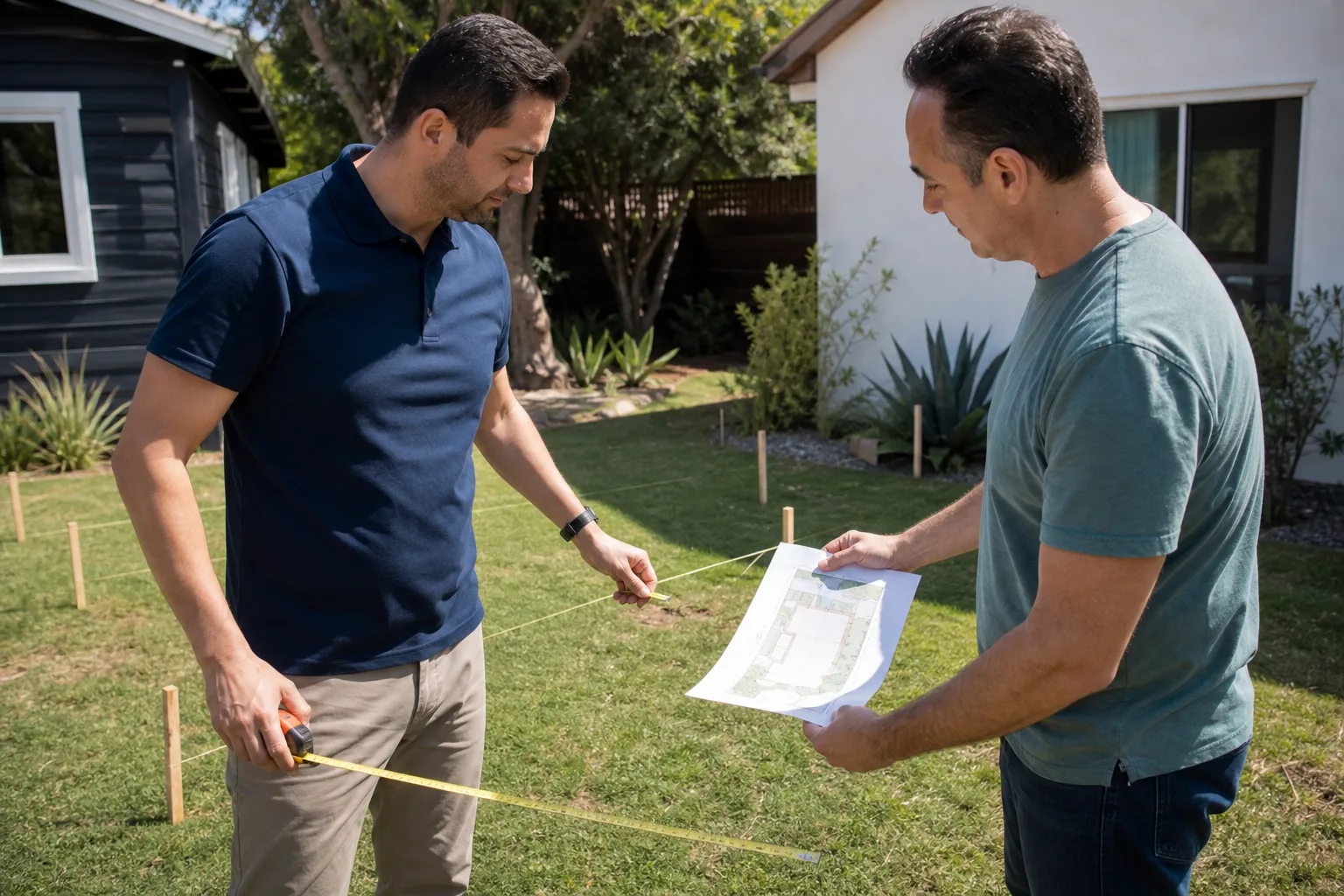
The range exists for real reasons. A unit sitting on a flat, accessible lot in midtown Ventura with an existing electrical service nearby is a different job than a unit perched on a hillside east of Grant Park where the utility trenching alone can hit five figures. The condition of the original unit matters too: if we’re fixing deferred maintenance before we start converting, that cost gets added honestly to your written estimate, not buried in a change order later.
Every estimate from Sutton ADU Ventura includes a written, line-itemed price before you commit. You’ll see the parts cost, the labor cost, and the permit fees separated out. The 365-Day Done Right Promise covers defects in our workmanship for one full calendar year from project completion, and if any element of the build fails, the second visit is free. No haggling, no “well, that’s technically not covered” conversation.
| Conversion Component | Typical Ventura Range | What’s Included |
|---|---|---|
| Full Boxabl JADU conversion | $140,000 – $210,000 | Permits, site prep, utilities, finishes, compliance |
| Roof seam reseal & weatherproofing | $3,500 – $7,500 | Sealant replacement, joint inspection, UV protection |
| Mini-split HVAC replacement | $4,500 – $9,800 | New unit, line set, electrical, commissioning |
| Electrical panel upgrade (if needed) | $3,200 – $6,500 | Subpanel, breakers, city inspection |
| Folding wall joint repair | $2,800 – $6,000 | Hinge replacement, alignment, structural fastening |
DIY or Call Us?
Here’s the honest split. There are things you can safely check yourself, and there are things that will cost you more if you touch them first. You can inspect the sealant joints visually: look for cracking, peeling, or gaps around the roof edges and utility penetrations. You can check the weather stripping on the folding walls. You can note when your breakers trip and what was running. That’s useful information, and it helps us diagnose faster when we show up.
What you should not do is attempt to replace the sealant, re-wire anything, or alter the structural joints yourself. A Boxabl’s folding wall system is under engineered load, and the wrong fix at a hinge point can compromise the entire wall assembly. Electrical work in a JADU has to meet California code, and Ventura’s building department will want to see a licensed contractor’s permit on that scope. The mini-split replacement involves handling refrigerant, which is regulated and requires EPA certification.
If you’re not sure which category your problem falls into, call us at (350) 238-1748. We’ll help you figure out what you’re looking at over the phone, and if it’s something simple, we’ll tell you honestly that you don’t need to pay us to come out.
FAQs
A properly executed conversion should give you 15 to 20 years of reliable service before major components need replacing, with the roof sealant and mini-split being the first things to go at the 5-to-8-year mark. The structure itself, if maintained, will last much longer. The key variable is the initial workmanship: a conversion that skips proper flashing and sealing will show problems in the first two years, while a careful install holds up well even in marine air. Call (350) 238-1748 for an exact assessment of your unit’s condition.
Yes, in most cases. We repair far more than we replace. Roof seams can be stripped and re-sealed, mini-splits can be swapped without touching the structural envelope, and electrical panels can be upgraded in place. The exception is when water intrusion has caused structural rot in the wall or floor assembly, at which point replacement of the affected section is usually cheaper than repeated patching. We’ll give you a straight answer on repair-versus-replace before any work is authorized.
A focused repair like a roof seam re-seal or a mini-split replacement typically takes one to two days on site. A full junior ADU conversion, including permits and inspections, usually runs six to twelve weeks in Ventura, and much of that time is spent waiting on city review cycles rather than swinging hammers. The Ventura building department’s current turnaround for ADU permits is typically four to eight weeks, and we factor that into the schedule honestly. Call (350) 238-1748 for a timeline specific to your project.
We stock the most common Boxabl-compatible components for Ventura conditions: the marine-grade sealants needed for coastal exposure, the mini-split systems we’ve verified against Title 24, and the electrical panels that work for JADU loads. For OEM-specific Boxabl parts like custom hinge assemblies or factory trim pieces, we order ahead once we know your unit’s serial number so there’s no back-and-forth during the build. If we can’t get the exact part, we’ll tell you before you spend anything.
Yes, we pull all required permits and manage the city inspections yourself. A junior ADU conversion in Ventura requires a building permit, and depending on your lot, you may need planning approval for the conversion. We handle that paperwork, schedule the inspections, and make sure the final sign-off is documented. The cost is included in your written estimate, so there’s no surprise permit fee that shows up mid-project.
Written by Miles Hartwell, Owner, Sutton ADU Ventura at Sutton ADU Ventura, serving Ventura and nearby areas.