Cover New Detached ADU: The Ventura Owner’s Guide
We stock and install replacement components for Cover new detached ADUs across Ventura, and a typical part swap runs $150 – $650 installed depending on what failed and where it sits in your system. Most homeowners call us after noticing the unit isn’t performing the way it did last year: a latch that won’t catch, a panel that’s drifted out of alignment, a seal that’s letting Ventura’s coastal air into places it shouldn’t. We carry the common failure points on our service vehicles, and we’ll tell you honestly whether a repair makes sense or a full replacement is the smarter money.
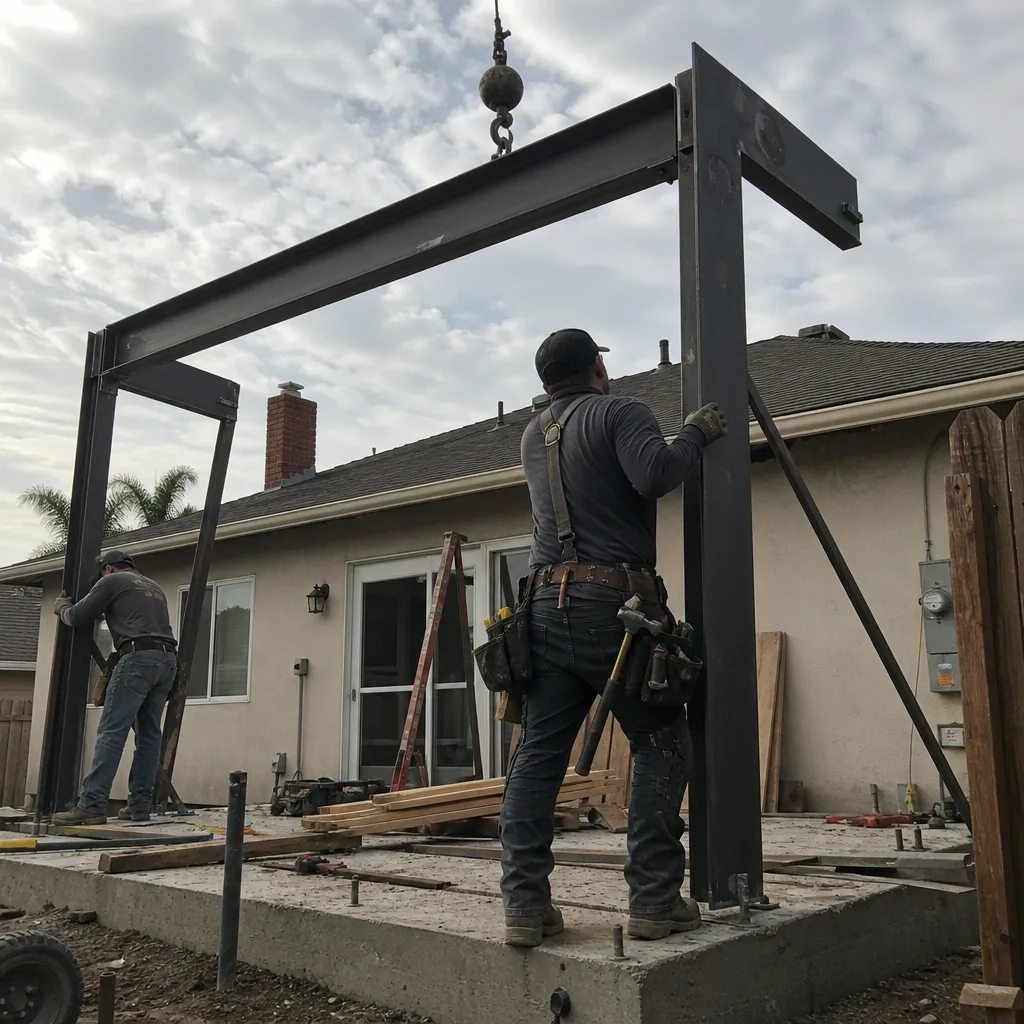
One thing to understand up front: Cover builds precision factory housing, which means the components aren’t the grab-anything-off-the-shelf variety you’d find at a big-box store. The tolerances are tighter, the materials are specified for prefab panelization, and the wrong substitute can void whatever remaining coverage you have and create a fit problem that costs more to undo than the part itself. That’s why we keep OEM and factory-spec equivalents specifically matched to Cover’s detached ADU line.
Sutton ADU Ventura is an independent service provider and is not affiliated with Cover. We’re the crew that fixes these units in Ventura when something’s gone wrong.
Which Cover Models This Applies To
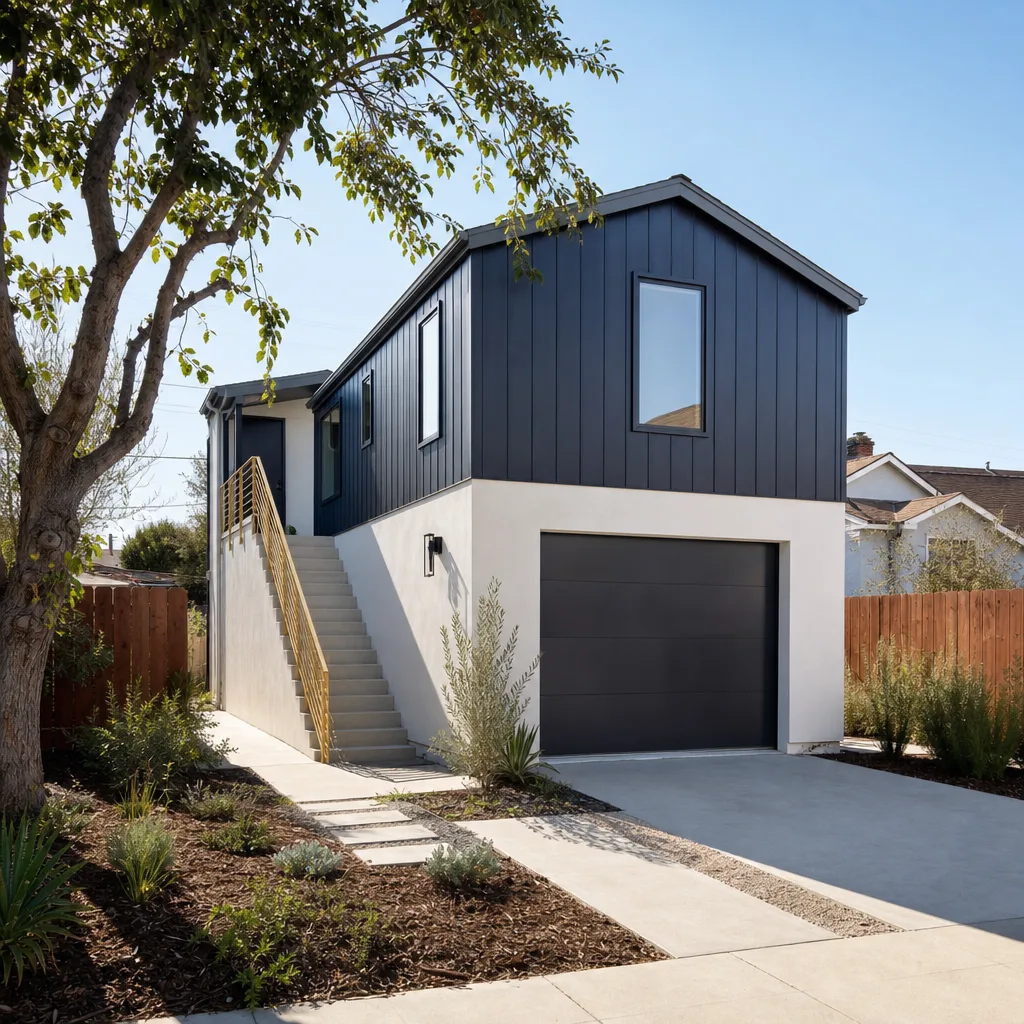
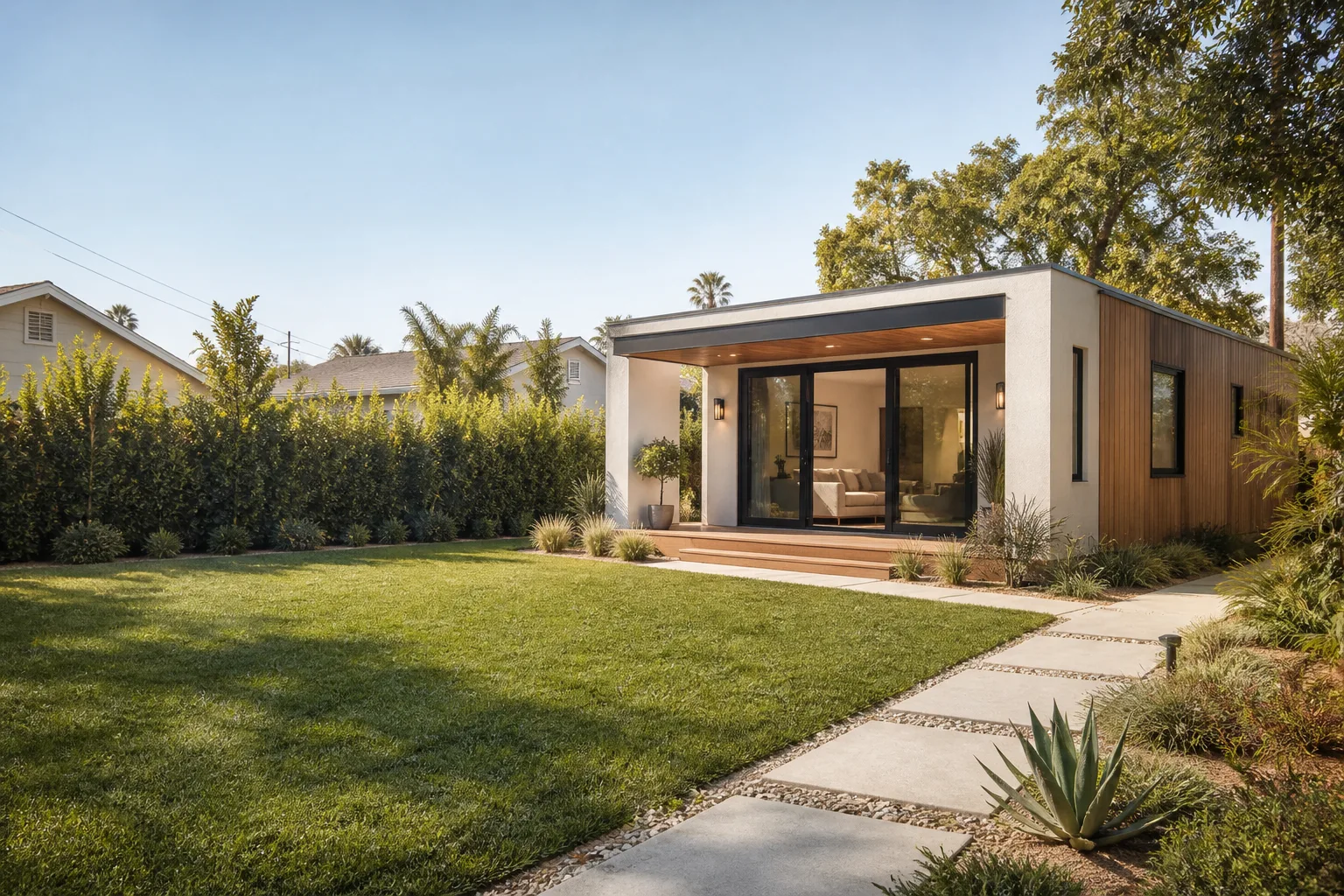
Cover produces a factory-built detached ADU line that ships to Southern California in finished modules. The new detached units are the ones we see most around Ventura: self-contained structures on a perimeter foundation or pier system, delivered with plumbing, electrical, and interior finish already in place. What matters for parts is less the cosmetic finish package and more the year of manufacture and the series, because Cover has made running production changes to door hardware, window assemblies, and exterior panel connections between model years.
Here’s the compatibility gotcha we run into weekly: two Cover units built 18 months apart can look identical from the outside and use different latch geometry on the entry door. If you’re matching a part yourself from a photo, you can get it wrong. We identify the right component three ways: the serial plate inside the electrical panel door, the build date stamped on the frame near the main entry, and in some cases a small suffix code on the original part itself. Before ordering anything, take a photo of the failed component next to a tape measure. That single photo usually cuts diagnosis time in half.
On the OEM-versus-aftermarket question for Cover specifically: OEM is the right call for anything structural or weather-sealed. For interior hardware like cabinet hinges or door stops, a quality aftermarket equivalent from a brand like Blum or Hager is fine and often saves 20 – 40%. We’ll tell you which side of that line your part falls on, and we won’t upsell you to OEM when a solid equivalent does the job.
Signs Your Cover New Detached ADU Is Failing
- Entry door drags or won’t latch cleanly. Prefab modules settle differently than stick-built framing, and a door that was true at delivery can shift 1/8″ within two Ventura seasons. That drag usually means the hinge pack has worn or the strike plate needs re-shimming, not that the door is junk.
- Visible gap at the module seam, inside or out. If you can see daylight or feel air movement where the factory modules meet, the joining gasket has compressed or failed. Ventura’s sun exposure hardens these seals faster than the manufacturer’s average lifespan estimates suggest.
- Window or door seal shows cracking or shrinkage. Coastal air, salt mist, and UV do a number on rubber and silicone. Once a seal shrinks, your mini-split works harder and your utility bill shows it within a month or two.
- Exterior panel fasteners are backing out or showing corrosion. Cover uses specific fastener specs on their cladding system. When we see rust staining or loosening around panels in Ventura, it’s usually the original fasteners reaching end of service life due to marine air exposure.
- Utility access panel won’t seat flush or the latch is loose. This one seems minor until you realize an unsealed access panel is an open invitation for moisture, pests, and heat loss. It’s also the most common part we replace on the first service call.
Replacement Cost & What’s Included
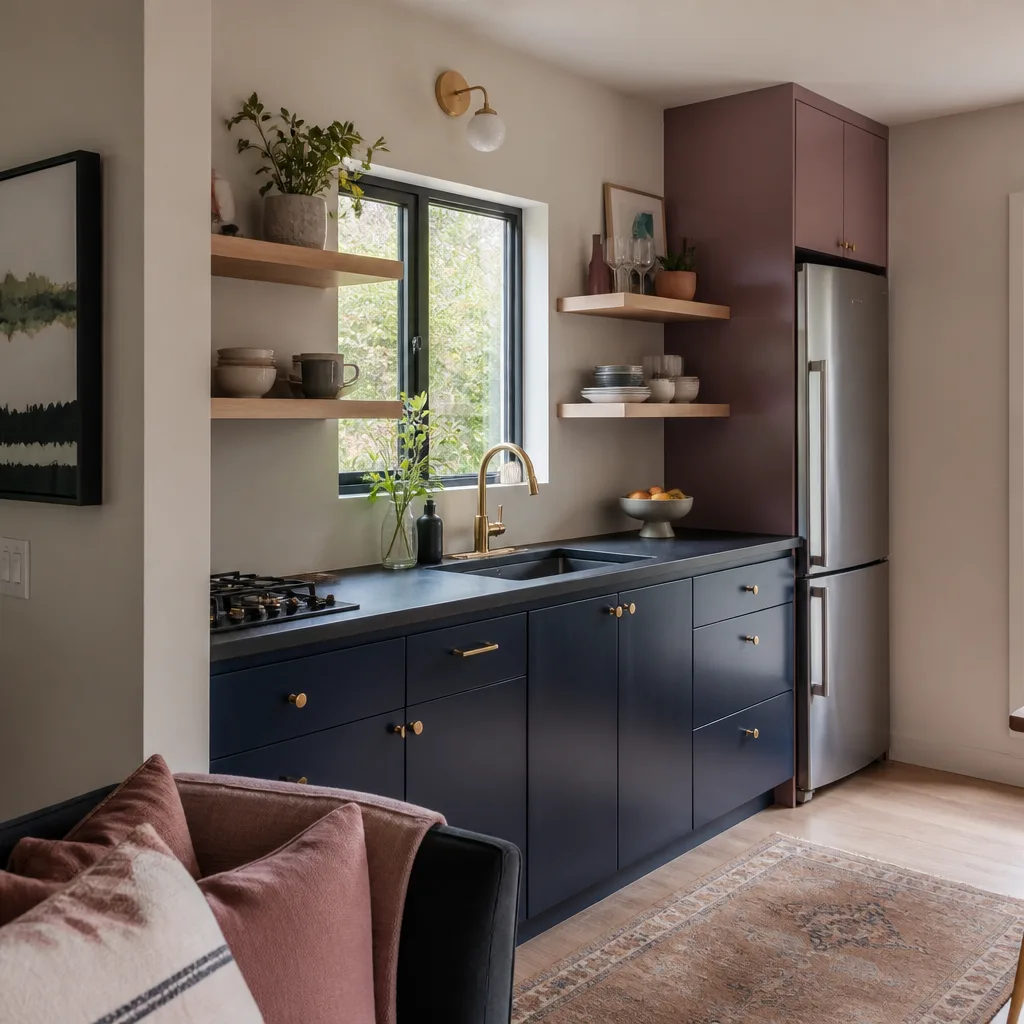
For most Cover new detached ADU part replacements in Ventura, you’re looking at $150 – $350 for common hardware (latches, hinges, seals, panel fasteners) and $350 – $650 for weather-seal systems, module-joint gaskets, or exterior panel re-securing. What drives the range is whether we’re dealing with a single failed component or a system that’s been degrading together, because replacing one seal when three are gone just means paying for a second visit next spring.
Every quote you get from us is a written price before the work begins. That price includes the part, the labor, the trip, and the clean-up. No change orders, no scope creep handed to you as a surprise invoice. If the part we install fails within a full year due to defects in materials or workmanship, the 365-Day Done Right Promise covers the replacement and the labor to make it right. That’s written on the paperwork, not promised over the phone.
DIY or Call Us?
Here’s the honest split. You can safely check a few things yourself before calling anyone: note exactly where the failure is, take that photo with the tape measure, and test whether the issue is isolated to one component or shows up in multiple places. You can also safely tighten a visibly loose interior hinge screw. After that, the DIY path gets less safe and more expensive. These are manufactured modules with interdependent tolerances. Prying a panel, forcing a latch, or re-caulking a module seam with the wrong sealant turns a $200 part swap into a $900 correction.
If the part involves anything tensioned, sealed to weather, or connected to the building envelope, we tell people the same thing Miles Hartwell tells every homeowner on site: “Tell me what you actually need, then we’ll figure out what fits.” Call (350) 238-1748 and we’ll walk you through it.
FAQs
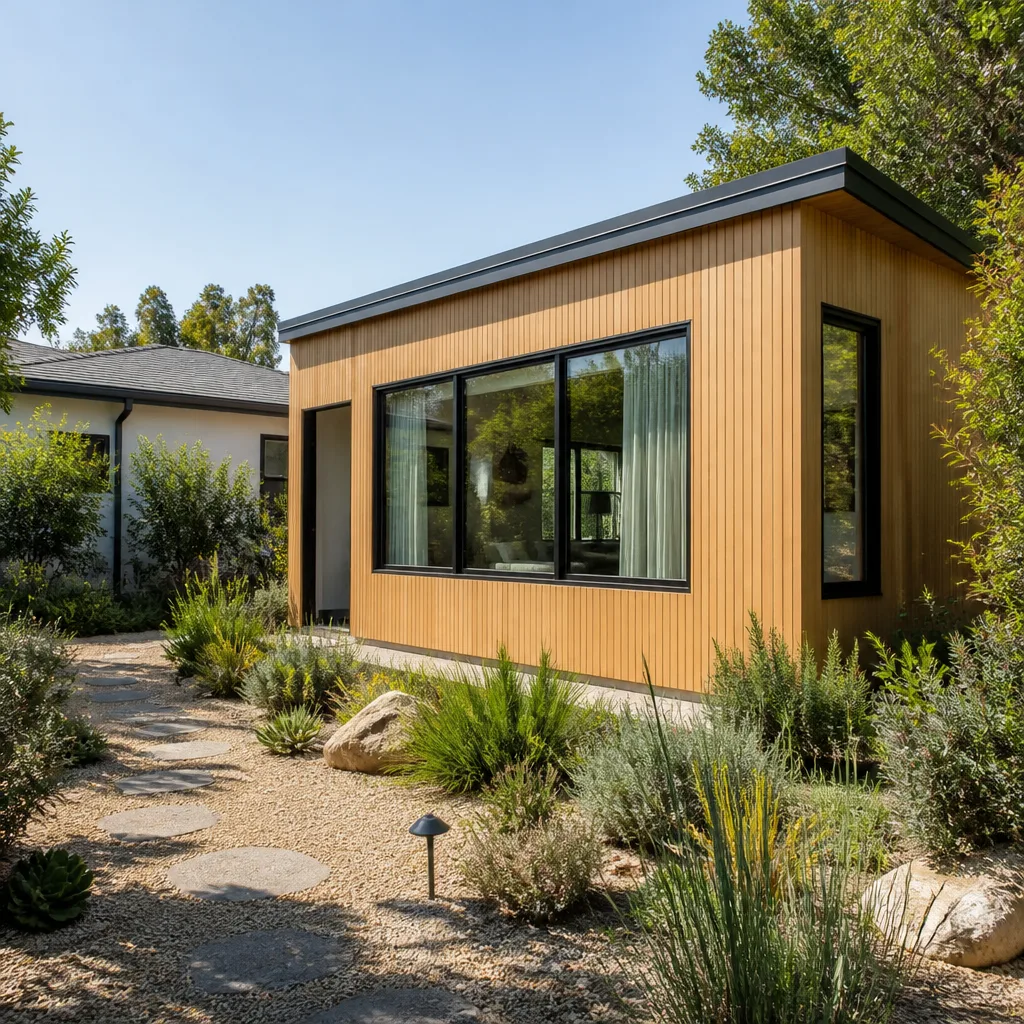
Exterior seals, gaskets, and fasteners typically last 4 – 7 years in Ventura’s marine air, which is shorter than the manufacturer’s generic lifespan estimates that don’t account for coastal salt mist and intense UV. Interior hardware like hinges and latches often lasts 10+ years with normal use.
Sometimes, yes, and we’ll tell you straight if a repair makes sense. Latches and strike plates can often be re-shimmed or adjusted. Cracked seals, compressed gaskets, and corroded fasteners generally can’t be restored to factory performance and should be replaced. Call (350) 238-1748 and describe what you’re seeing; we’ll give you our honest take before anyone schedules a visit.
Most single-component replacements on a Cover ADU in Ventura take 45 – 90 minutes on site, assuming we diagnosed correctly from your photos and the right part is on the truck. Weather-seal systems and module-joint work can run 2 – 3 hours because the old material has to come out clean before the new seal seats properly.
We keep the most common Cover failure points on our service vehicles: latch assemblies, hinge packs, weather seals, panel fasteners, and access-door hardware. Less common items are ordered and typically arrive within 3 – 7 business days. We’ll let you know which situation you’re in before you commit to anything.
Written by Miles Hartwell, Owner, Sutton ADU Ventura at Sutton ADU Ventura, serving Ventura and nearby areas.